Each week, I publish a list of interesting articles, essays and reports that may be of interest to the digital diplomacy community. This week- Is time up for Twitter? (BBC News) Twitter blue tick: Multiple Hillarys and New Yorks as verifications disappear (BBC News) Russia's Sberbank releases ChatGPT rival GigaChat (Reuters) From pope’s jacket to... Continue Reading →
Monday’s Must Read List

Each week, I publish a list of interesting articles, essays and reports that may be of interest to the digital diplomacy community. This week- The relationship between AI and humans (The Economist) Saudi Arabia says tech giants to invest more than $9 billion in kingdom (Reuters) The People Onscreen Are Fake. The Disinformation Is Real... Continue Reading →
Monday’s Must Read List
Each week, I publish a list of interesting articles, essays and reports that may be of interest to the digital diplomacy community. This week – Technology policymaking in India: The need for a paradigm shift (ORF Website)The essential role of AI in cloud technology (Tech Radar)The biggest tech trends to watch for in 2022 (The Washington... Continue Reading →
The Metaverse and its impact on International Relations: A Summary
Two weeks ago, ICR Research, held a panel discussion on the future of the Metaverse and its impact on international relations. Bringing together scholars from the fields of digital diplomacy, cultural diplomacy, international relations and strategic communications, the panel sought to begin a wider debate on the implications of the Metaverse on states, diplomats and the... Continue Reading →
What are the future challenges for digital diplomacy?
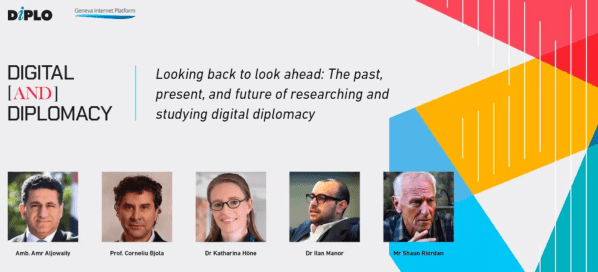
Last week I had the opportunity to partake in a conference organized by the Diplo Foundation asking- what do we mean when use the term “digital diplomacy”. During the conference I was asked three questions on the past, present and future practice of digital diplomacy. This post includes my answer and analysis. Q: How... Continue Reading →
Preparing for the Next Wave of #Digital Disruption
Several weeks ago I published a post titled "Preparing for the Digital Future". In it, I advocated that MFAs (ministries of foreign affairs) and diplomats should adopt a proactive approach to digital innovation. A proactive approach begins with understating the future technological landscape and taking measures to adapt to this landscape in terms of working... Continue Reading →
Preparing for the #Digital Future
Prof. Corenliu Bjola of the Oxford Digital Diplomacy Research Group recently concluded that the first stage of digital diplomacy has been a resounding success. Although MFAs are risk averse organizations who value discretion and shun from the limelight, they have successfully migrated to social media and adopted new communication practices that centre on information sharing,... Continue Reading →