A New Roadmap for the Study of Digital Diplomacy

Throughout the 1980s, historian Eric Hobsbawm delivered a series of lectures examining the work of historians and the state of social history, his chosen discipline. Hobsbawm’s lectures coincided with tectonic shifts in global politics and rapid technological advancements as this decade witnessed the end of the Cold War, the false promise of neo-liberalism championed by... Continue Reading →

The Case for Domestic Digital Diplomacy

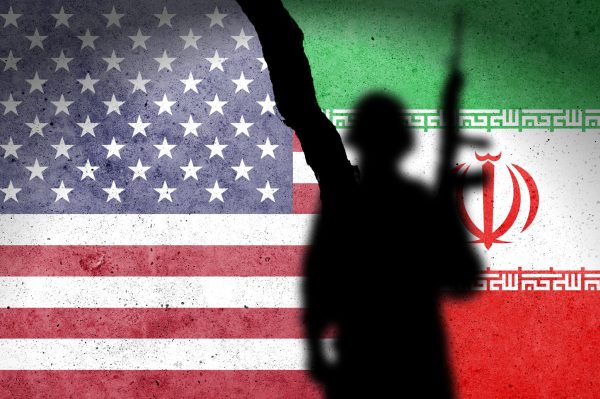
The past four days have seen the onset of a new crisis in the Middle East following a coordinated U.S.-Israeli attack on Iran. The present crisis in the region is emblematic of 21st-century crises in three ways. First, the present crisis has engulfed the region, with Iran firing ballistic missiles and drones at Saudi Arabia,... Continue Reading →

Tactical Diplomacy: The Next Stage in Diplomacy’s Digitalization

Digital diplomacy is now entering its third decade. Having emerged circa 2008 with the establishment of virtual embassies in virtual worlds, digital diplomacy now includes the use of diverse technologies ranging from social media to messaging applications, blogs, smartphone applications, big data analysis, coding, websites, and even crowdfunding, as recently used by Ukraine. For policymakers,... Continue Reading →

The Threat of Weaponized Synthetic Intimacy

Note: This post was originally published on E-International Relations. Click here to view The rapid rise of AI companions represents a profound shift in how people relate to technology. Originally designed to answer queries, provide information, and assist with daily tasks, AI tools such as ChatGPT, Claude, and Gemini are now being customized by users... Continue Reading →

AI Companions: The New Frontier of Disinformation

Last week, The Economist published a review of the burgeoning AI companion industry. The companion industry is gaining momentum globally, with individuals either customizing existing platforms like ChatGPT into romantic partners, with specified ages, professions (such as tech executive), and personality traits encompassing wit, dry humour, and an appreciation for romantic comedies. Others turn to... Continue Reading →

In the Digital World, MFAs Must Change

The digitalization of diplomacy has led to profound changes in MFAs (ministries of foreign affairs) across the world. This change has structural, normative, and practical dimensions. Structurally, most MFAs now have digital units tasked with authoring digital content and analyzing the social media output of other actors. In many MFAs, social media is used as... Continue Reading →

Blog at WordPress.com.

Up ↑