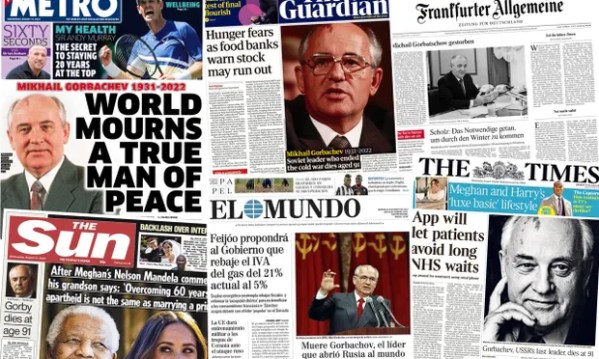
On Wednesday, August 31st, it was announced that former Soviet leader Mikhail Gorbachev died aged 91. As is the case with any major event, different news outlets narrated Gorbachev’s differently. Newspapers, websites and bloggers all adopted different narratives, or frames when depicting Gorbachev . For instance, the BBC headline read “Mikhail Gorbachev: Last Soviet leader... Continue Reading →
Estonia, War Monuments and Strategic Communications
In 2014, Russia launched a stealth invasion of Ukraine. Resulting in the annexation of Crimea, the 2014 invasion saw the mass utilization of social media by Russian state authorities, the Russian foreign ministry and Russian diplomats. Russia’s digital communications rested on four arguments. First, that the democratically elected Ukrainian President Viktor Yanukovych was ousted from... Continue Reading →
Digital Diplomacy in #Ukraine- A Case of Strategic Transparency
The age of social media is the age of total transparency. Studies have found that the more personal a tweet or Facebook post, the more a user bares his soul, the more Likes they will garner. And as social media users wish to be seen and Liked, they become accustomed to sharing all facets of... Continue Reading →
NATO’S Digital Narrative- “What We Are”, Not “Who We Are”
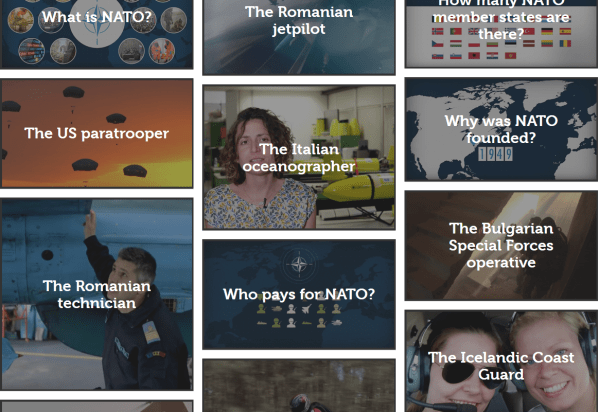
The word narrative has for some time dominated conversations about digital diplomacy. At the most basic level, narratives are viewed as compelling stories through which state and non-state actors can explain their policies and actions. The narrative is thus a rhetorical and visual device that replaces official press statements lined with diplomatic double entendres and... Continue Reading →