Each week, I publish a list of interesting articles, essays and reports that may be of interest to the digital diplomacy community. This week – Meta moves to tackle creepy behaviour in virtual reality (BBC News)Facebook owner Meta sees biggest ever stock market loss (BBC News)Can the Technology Behind Covid Vaccines Cure Other Diseases? (Wall Street... Continue Reading →
Monday’s Must Read List
Each week, I publish a list of interesting articles, essays and reports that may be of interest to the digital diplomacy community. This week – What next for Wordle and its fans? (BBC News)The Four Technology Trends That Are Most Likely To Shape Innovation In 2022 (Forbes)Cyberattacks on US schools increasing amid reliance on technology (Al-Jazzera)Hide... Continue Reading →
Media-Jacking or the Role of Media Events in the Digital Age
In the late 1980’s Daniel Dayan and Elihu Katz developed their theory of Media Events. They argued that certain high-profiled Media Events may have prolonged societal impacts. The two scholars were influenced by the historic visit of Egyptian President Anwar Sadat to Israel in 1977. Dayan and Katz argued that this Media Event altered the... Continue Reading →
Are Consular Tweets a New Form of Crisis Signaling?
When scholars and pundits discuss digital diplomacy, they tend to equate this term with social media activities. Indeed, the majority of digital diplomacy studies have focused on how and why social media is used by foreign ministries (MFAs), embassies, Ambassadors and International Organisations. Studies have explored the numerous ways in which states use sites such... Continue Reading →
Monday’s Must Read List
Each week, I publish a list of interesting articles, essays and reports that may be of interest to the digital diplomacy community. This week – Facebook Messenger: The battle over end-to-end encryption (BBC News)Google asks a judge to dismiss Texas antitrust lawsuit about its ad business (TechCrunch)Israel’s Attorney General Sets Up Team to Look Into Police... Continue Reading →
“Follow-mies”- Is Diplomatic Reciprocity Binding in Digital Diplomacy?
Social media sites are predicated on the concept of reciprocity. When a user follows one of his peers, he expects his peer to respond in kind. The same is true with content engagement. The basis of social media is a social contract where users “Like” and “Share” one another’s content. Given that the ultimate goal... Continue Reading →
Monday’s Must Read List
Each week, I publish a list of interesting articles, essays and reports that may be of interest to the digital diplomacy community. This week – Americans widely distrust Facebook, TikTok and Instagram with data, poll finds (The Washington Post)The Metaverse already has a groping problem (MIT Technology Review)How America Can Keep Its Lead in Technology (Wall... Continue Reading →
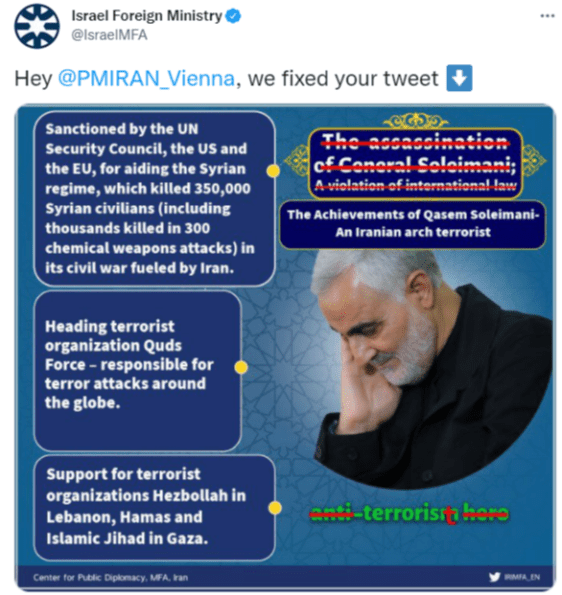
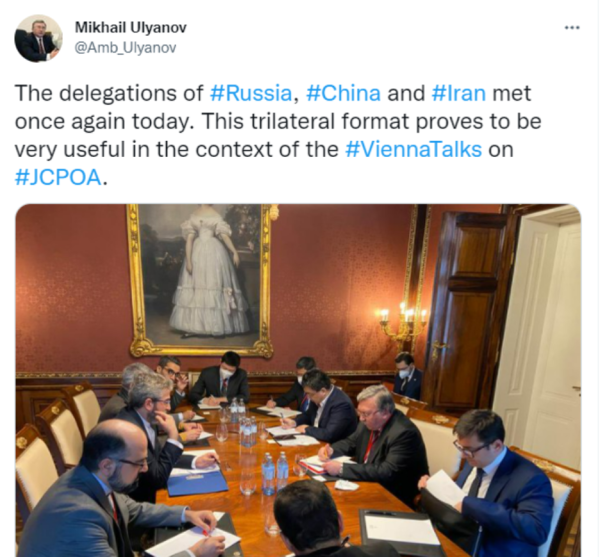
Israel Escalates Twitter Feud with Iran
Recent years have seen the mass migration of MFAs (foreign ministries) and diplomats to social media sites. It is now estimated that 95% of UN Member States have established some form of social media presence. Iran is no exception. Although Twitter, Facebook and other platforms cannot be accessed from Iran, senior Iranian policy makers can... Continue Reading →
Walking a Tightrope: How Ambassadors Meet the Demands of the Digital Society
To understand digital diplomacy, one must first understand the digital society. The reason being that diplomacy is a social institution and diplomats are social beings. Processes that affect society as a whole affect diplomats and it is through diplomats that such processes permeate into MFAs giving rise to new norms, values and working routines. Sociologists... Continue Reading →
Monday’s Must Read List
Each week, I publish a list of interesting articles, essays and reports that may be of interest to the digital diplomacy community. This week- How Israeli Spy-tech Became Dictators' Weapon of Choice (Haaretz Newspaper)The opportunities that geospatial technology presents for India Inc. (The Economic Times)We don’t yet have the technology needed to reach net zero... Continue Reading →