Each week, I publish a list of interesting articles, essays and reports that may be of interest to the digital diplomacy community. This week – Chinese tech giants share details of their prized algorithms with top regulator in unprecedented move (CNBC)Snapchat Introduces Its First Parental Controls (The New York Times)Facebook considering ending restrictions on Covid... Continue Reading →
Monday’s Must Read List
Each week, I publish a list of interesting articles, essays and reports that may be of interest to the digital diplomacy community. This week – Senate Bill to Boost Chip Production, Advanced Technology Set to Move Ahead (Wall Street Journal)Google fires engineer who said AI tech has feelings (BBC News)Kmart halt use of facial recognition... Continue Reading →
The EU’s New Digital Vision
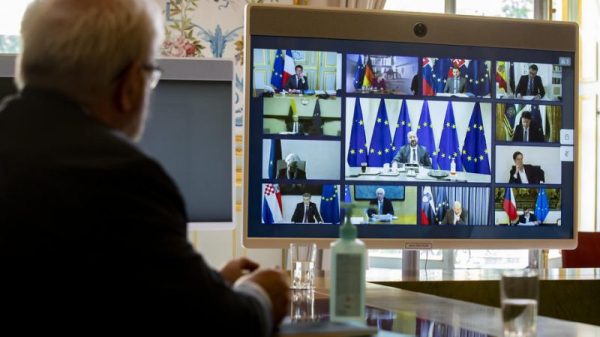
On Monday, the Council of the European Union published a policy report outlining the EU’s new approach to digital diplomacy. As I argue in this blog post, the EU’s policy report is important for three reasons. First, it was published in the midst of the Russia-Ukraine War in which digital technologies have played a crucial... Continue Reading →
How Ukraine Can Leverage its Digital Achievements
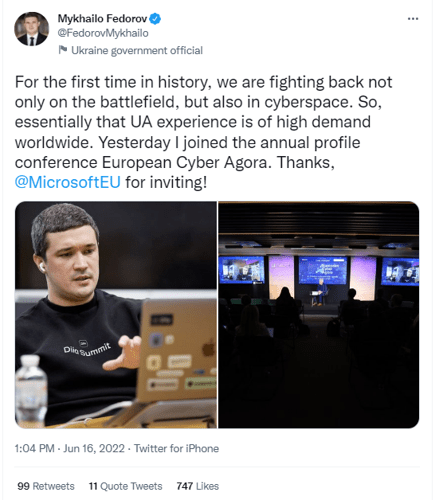
It is often said that practice makes perfect. While Ukraine’s digital diplomacy is not perfect, the Ukrainian government has gained valuable expertise in using digital technologies. Indeed, since the beginning of the Russia-Ukraine War, Ukraine has employed a host of innovative digital tactics. These include the creation of a hacker army; crowdfunding aid for its... Continue Reading →
On the Metaverse: The Good, the Bad and Ugly
Two weeks ago, the Israeli Foreign Ministry and the Department of Communications at Ben Gurion University, held a one day workshop on the future of the Metaverse. The workshop explored how the Metaverse may impact society and diplomacy. Below, are my comments in which I call on diplomats to partake in shaping the vision of... Continue Reading →
Recording-Panel: Digital Diplomacy and the War in Ukraine
On Tuesday, March 15, the Oxford Digital Diplomacy Research Group, and the Department of Communications at Ben Gurion University of the Negev held a special panel discussion on how digital diplomacy is shaping the Russia-Ukraine War. The horrid War in Ukraine has been accompanied by intense use of digital technologies. Ukraine's besieged President has used... Continue Reading →
Monday’s Must Read List
Each week, I publish a list of interesting articles, essays and reports that may be of interest to the digital diplomacy community. This week – ‘Glory to the Heroes’: Ukraine’s war for narrative credibility (Georgetown University)Why You Haven’t Heard About the Secret Cyberwar in Ukraine (The New York Times)Ukrainian influencers bring the frontlines to TikTok... Continue Reading →
Recording: At a Crossroads- Examining Covid-19’s Impact on Public & Digital Diplomacy
On February 25, 2022, the Department of Communications at Ben Gurion University of the Negev and ICA’s Public Diplomacy Interest Group co-hosted a panel on how Covid19 impacted public diplomacy. The Covid-19 pandemic is a unique global crisis that has significantly changed social, cultural, and political behaviours. For one, the world is no longer as... Continue Reading →
Monday’s Must Read List
Each week, I publish a list of interesting articles, essays and reports that may be of interest to the digital diplomacy community. This week – How Silicon Valley’s Russia crackdown proves its power – and its threat (The Guardian)Using Cyber Tool, Westerners Have Been Texting Russians About the War in Ukraine (Wall Street Journal)Ukraine: Spam... Continue Reading →
Monday’s Must Read List

Each week, I publish a list of interesting articles, essays and reports that may be of interest to the digital diplomacy community. This week – Twitter Accounts Sharing Video From Ukraine Are Suspended When They’re Needed Most (The Verge)Russia Launches Social Media Offensive Alongside Missiles (Foreign Policy)Ukraine’s Volunteer ‘IT Army’ Is Hacking in Uncharted Territory... Continue Reading →