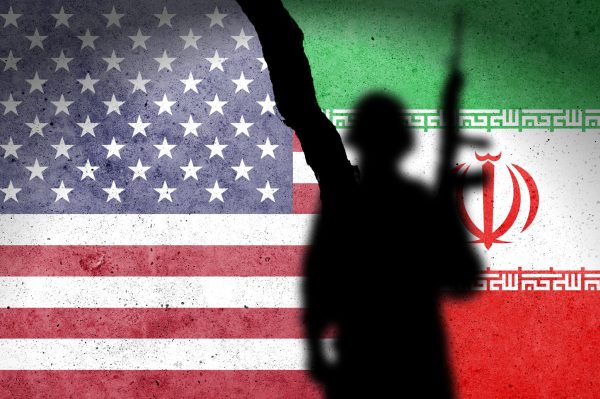
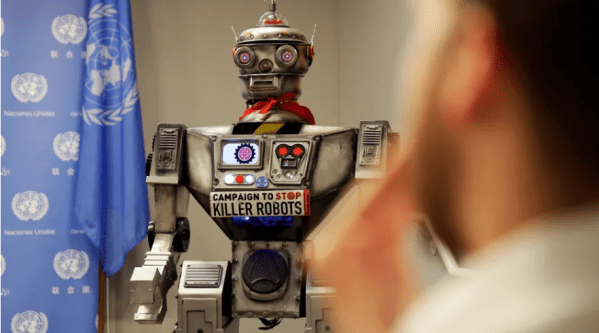
The rapid and consecutive launch of Artificial Intelligence (AI) tools over the past two years has generated a global frenzy. Large language models such as ChatGPT and Gemini have already amassed hundreds of millions of users and have been hailed as ushering in a new technological era marked by limitless data-driven insight and creativity. Global... Continue Reading →
The Past and Present Clash Between AI and Diplomacy
Historian Eric Hobsbawm dedicated much of his academic work to exploring the impact of the past on present-day societies. For Hobsbawm, the past was always present. Yet the function that the past plays in the present could differ greatly. During times of upheaval, the past can serve as a roadmap or template for overcoming adversity.... Continue Reading →
ChatGPT and the Future of Diplomacy
In recent works, scholars and diplomats have begun to experiment with ChatGPT, the generative AI bot that has taken the world by storm. For scholars of diplomacy, ChatGPT is yet another digital innovation that may disrupt the work of diplomats. Just like social media, big data, messaging apps and bots, ChatGPT may prove both useful... Continue Reading →
Media-Jacking or the Role of Media Events in the Digital Age
In the late 1980’s Daniel Dayan and Elihu Katz developed their theory of Media Events. They argued that certain high-profiled Media Events may have prolonged societal impacts. The two scholars were influenced by the historic visit of Egyptian President Anwar Sadat to Israel in 1977. Dayan and Katz argued that this Media Event altered the... Continue Reading →
“Follow-mies”- Is Diplomatic Reciprocity Binding in Digital Diplomacy?
Social media sites are predicated on the concept of reciprocity. When a user follows one of his peers, he expects his peer to respond in kind. The same is true with content engagement. The basis of social media is a social contract where users “Like” and “Share” one another’s content. Given that the ultimate goal... Continue Reading →
America’s New Rhetoric of Alliances
In a recent article, Guy Golan and I argued that the 21st century will be governed by three giants: The US and China, thanks to their military and financial power, and India thanks to its status as the world’s telecommunications hub. In the world of giants, no single nation will be able to later the... Continue Reading →
Monday’s #MustRead List
Each week, I publish a list of interesting articles, essays and reports that may be of interest to the digital diplomacy community. This week- Davos Agenda: What you need to know about technology (World Economic Forum)The Technology 202: Tech experts overwhelmingly approve of Trump suspensions from social media (The Washington Post)China's Foreign Policy Weapons: Technology,... Continue Reading →
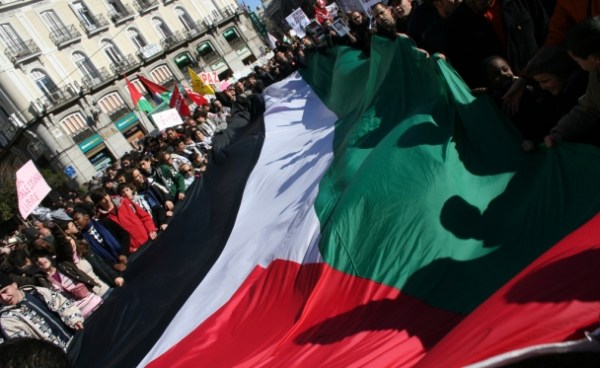
Evaluating Palestine’s Digital Diplomacy Strategy
Note: A version of this post originally appeared on the USC Centre on Public Diplomacy's Blog From a diplomatic perspective, Palestine represents a puzzling case study. On the one hand, Palestine has been recognized as an independent state by the UN General Assembly. On the other hand, it is not a full member state of... Continue Reading →
The ISIS Social Media Myth
What causes an 18 year old boy from France to board a plane to Turkey, cross the border into Syria and join a fanatical terror organization named the Islamic State of whose practices include rape, murder, beheading and the destruction of historical relics that have withstood the decline and fall of numerous empires? According to... Continue Reading →
Restoring US Credibility, One Conversation at a Time
On the 7th of May 2014, the First Lady of the United States Michelle Obama uploaded a Selfie of herself holding a sign saying "#BringBackOurGilrs" onto her twitter account. The Selfie was part of social media campaign calling for the release of 250 Nigerian school girls taken captive by the Islamist Boko Hraam group. https://twitter.com/FLOTUS/status/464148654354628608/photo/1... Continue Reading →