Introduction In May of 2014, I published my analysis of the social network of world foreign ministries (MFAs) on Twitter. My assumption was that MFAs would actively follow one another online in order to gather relevant information. For instance, by following other ministries an MFA may be able to identify policy changes in certain countries,... Continue Reading →
A Missed Opportunity: China’s Use of Digital Diplomacy during the G20 Summit
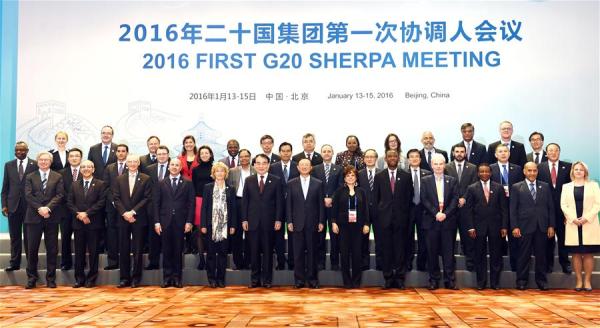
Earlier this month, China hosted the leaders of the G20 countries for their annual summit. International summits have traditionally played an important role in diplomacy. On the one hand, summits hold ceremonial or dramatic importance as they demonstrate one of diplomacy’s function in international relations- ensuring stability and peace. On the other hand, summits also... Continue Reading →
On Papal Digital Diplomacy
The Catholic Church is no stranger to diplomacy. Indeed since its formation the Church has been at the forefront of diplomatic activity, firs in Europe and then around the world. Popes often served as arbiters in European conflicts while Papal legates served as ambassadors to foreign courts. Even the first foreign ministry was founded by... Continue Reading →
Towards a Network Model of Diplomacy? The Case of the UN in Geneva
In recent years, several international relations scholars have called on nations to adopt a network model of diplomacy. The term Network Diplomacy often refers to nations' need to create temporary coalitions in order to achieve their foreign policy goals. Such coalitions may be viewed as networks with each member of the coalition serving as a... Continue Reading →