Note: This post was originally published on E-International Relations. Click here to view The rapid rise of AI companions represents a profound shift in how people relate to technology. Originally designed to answer queries, provide information, and assist with daily tasks, AI tools such as ChatGPT, Claude, and Gemini are now being customized by users... Continue Reading →
Digital Diplomacy in an Asocial World
Over the past few weeks, several reports and publications have suggested that social media is entering a new era. The reason being that social media is increasingly becoming less social. During the early days of social media, millions of users would publish updates from their daily lives. Platforms such as Facebook, Twitter and Instagram were... Continue Reading →
How Different AIs Frame America’s Support for Ukraine
In a previous blog post, I sought to examine a possible Country-of-Origin Effect in Generative AI applications. In the late 1990’s nation branding scholars began exploring the Country-of-Origin Effect. Rooted in marketing research, the Country-of-Origin Effect suggested that consumer labels impact individuals’ willingness to buy products. For example, the “Made in China” label was once... Continue Reading →
National Image Management in the Digital Age
Scholars have long since asserted that nations have images. Although scholars differ on what these images consist of, and whether these images can be managed, they nonetheless agree that like consumer brands, nations elicit cognitive associations in people's minds. Upon hearing the name “Germany”, for example, certain associations may spring to people’s minds be it... Continue Reading →
The Return of the Website? Lessons from Ukraine’s Digital Diplomacy
For nearly a decade, the term digital diplomacy has been closely associated with social media. In many MFAs, digital diplomacy units are actually tasked with managing social media empires that span hundreds of accounts across numerous platforms. Although social media has remained central to the practice of digital diplomacy, its use has changed over the... Continue Reading →
The Enduring Allure of Nostalgia in Digital Diplomacy
Now is the age of nostalgia. Throughout the world we are witnessing an insatiable longing for the past. In the post-Brexit haze, the UK craves the influence and power of its defunct empire; in Turkey neo-Ottoman sentiments have transformed a President into a Sultan; In America, many still hope to Make America Great Again while... Continue Reading →
Monday’s Digital Diplomacy Must Read List
Each week, I publish a list of interesting articles, essays and reports that may be of interest to the digital diplomacy community. This week- Germany blames China for ‘serious’ cyber attack (The Financial Times) OpenAI’s Sam Altman is becoming one of the most powerful people on Earth. We should be very afraid (The Guardian) TikTok... Continue Reading →
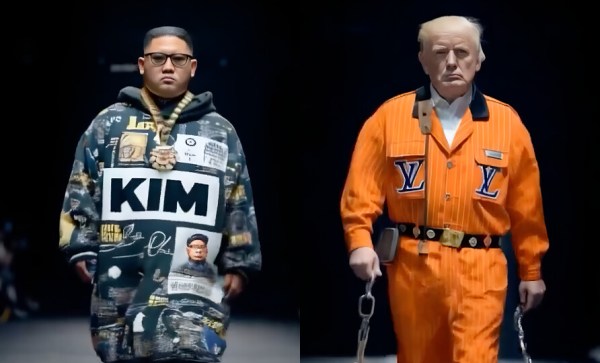
What An AI Fashion Show Tells us About Tech Moguls
On July 21st, Elon Musk shared a tweet featuring an AI-generated fashion show of world leaders. The AI fashion show soon went viral, given the satirical depiction of world leaders and due to its realistic appearance. Although the fashion show was clearly generated by AI, the video did demonstrate the extent to which this technology... Continue Reading →
Monday’s Digital Diplomacy Must Read List
Each week, I publish a list of interesting articles, essays and reports that may be of interest to the digital diplomacy community. This week- Inside the powerful Peter Thiel network that anointed JD Vance (The Washington Post) China Is Closing the A.I. Gap With the United States (The New York Times) OpenAI working on new... Continue Reading →
Dual Use Terminology- Digital Diplomacy’s Dual Meaning
The term ‘dual-use technology’ is used to denote technologies that may have both civil and military applications. Such is the case with Global Positioning Systems or GPS which are used to help track and identify targets for missile attacks and are also used to help drivers navigate in cars. Another example is drones which may... Continue Reading →