Each week, I publish a list of interesting articles, essays and reports that may be of interest to the digital diplomacy community. This week- What the future holds for driverless cars (BBC News) Resistance Is Futile, But Maybe Not With AI (Bloomberg) It’s Time to Give Up on Ending Social Media’s Misinformation Problem (The Atlantic)... Continue Reading →
The Drone Wars: How Ukrainian Drones Are Reshaping War Coverage
In the early 1990s, scholars coined the term “The CNN Effect” referencing the impact that CNN had on American foreign policy. Scholars asserted that issues which rose to prominence in CNN were soon addressed by American policy makers. In this way CNN shaped the priorities of the White House and the State Department. CNN was... Continue Reading →
The Twitter Prisoner Dilemma and the Future of Digital Diplomacy
Note: This post was originally published as an Op Ed at E-International Relations. It was co-authored by Ilan Manor, Corneliu Bjola and Bar Fishman. On November 23, 2023, the mayor of Paris announced that she was leaving X, the network formerly known as Twitter. Citing a rise in a disinformation, hate speech, racism and “vicious... Continue Reading →
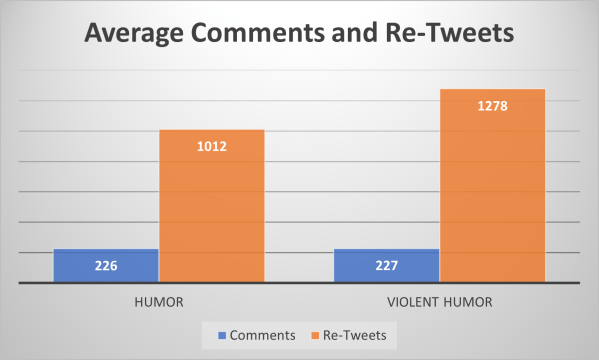
Is Humor an Effective Digital Diplomacy Strategy?
Since the beginning of the Russia-Ukraine War, Ukraine has relied on its social media channels to obtain foreign policy goals. Through its use of Twitter, Facebook and Telegram Ukraine has crowdfunded humanitarian aid, raised funds for the purchasing of weapons, negotiated agreements with tech magnets such as Elon Musk, managed a cyber army and obtained... Continue Reading →
Monday’s Must Read List

Each week, I publish a list of interesting articles, essays and reports that may be of interest to the digital diplomacy community. This week- Elon Musk vs Mark Zuckerberg fight will be streamed on X, according to Musk (CNN) Ukraine’s elite forces rely on technology to strike behind enemy lines (The Washington Post) U.S. company... Continue Reading →
Hold On: Ukraine’s Wartime Messaging
On July 8th, 2023, the Ukrainian Ministry of Defense published a video on Twitter (shown below). The accompanying text clearly outlined the video's intended messages: The War in Ukraine is no action film or computer simulation. It’s a real war, with real stakes. The text concludes with the statement “And we very much know what we are doing.” This... Continue Reading →
What’s in an Image? Ukraine’s Visual Narration
The advent of social media has transformed diplomats into ‘visual narrators’. By visual narrators I refer to diplomats’ growing ability to use visuals to deliver complex foreign policy messages. Indeed, over the past few years ,diplomats have learned to speak the language of visuals or what Roland Barthes called “The Rhetoric of the Image”. Barthes... Continue Reading →
Real Fakes and The Future of Diplomacy
In 2014, a group of data scientists from Microsoft teamed up with AI experts to create a computer program that could generate pictures in the style of Rembrandt. The team created a deep learning network which reviewed 150 gigabytes’ worth of Rembrandt paintings. The network soon learned to recognize distinctive features of Rembrandt’s works be... Continue Reading →
Monday’s Must Read List
Each week, I publish a list of interesting articles, essays and reports that may be of interest to the digital diplomacy community. This week- Uncensored Chatbots Provoke a Fracas Over Free Speech (The New York Times) Israeli technology pioneers using drones, AI and big data to farm (Times of Israel) Can China develop its own... Continue Reading →
AI’s Impact on Public Diplomacy
Recently, I was asked by an American diplomat about the benefits of using AI in public diplomacy activities. The Diplomat stated that as AI was a new kind of technology, foreign ministries around the world are anxious to learn about its benefits and shortcomings. This very question was put to me again this week when... Continue Reading →