Cultural appropriation, a term now heard often in media and academic discourse, is defined as “the inappropriate or unacknowledged adoption of an element or elements of one culture or identity by members of another culture or identity. This can be especially controversial when members of a dominant culture appropriate from minority cultures”. The advent of... Continue Reading →
Media-Jacking: How Ukraine Hijacked Chernobyl Remembrance Day
Diplomats and MFAs often seek to break their “algorithmic confines''. This is because social media algorithms limit the reach of diplomats’ online content. Tweets published by an Embassy, for example, will only reach the Embassy’s followers or social media followers who have expressed some interest in diplomacy, international relations or bi lateral ties between countries.... Continue Reading →
Monday’s Must Read List
Each week, I publish a list of interesting articles, essays and reports that may be of interest to the digital diplomacy community. This week- What is ChatGPT and what can it be used for? (Penn State University) AI creators must study consciousness, experts warn (BBC News) UK Blocks Microsoft-Activision Gaming Deal, Biggest in Tech (Voice... Continue Reading →
Monday’s Must Read List
Each week, I publish a list of interesting articles, essays and reports that may be of interest to the digital diplomacy community. This week- Is time up for Twitter? (BBC News) Twitter blue tick: Multiple Hillarys and New Yorks as verifications disappear (BBC News) Russia's Sberbank releases ChatGPT rival GigaChat (Reuters) From pope’s jacket to... Continue Reading →
Monday’s Must Read List
Each week, I publish a list of interesting articles, essays and reports that may be of interest to the digital diplomacy community. This week- AI Search Is a Disaster (The Atlantic) China’s Newest Weapon to Nab Western Technology—Its Courts (The Wall Street Journal) The metaverse is like every new technology (The Financial Times) The AI... Continue Reading →
The AI Moves In: ChatGPT’s Impact on Digital Diplomacy
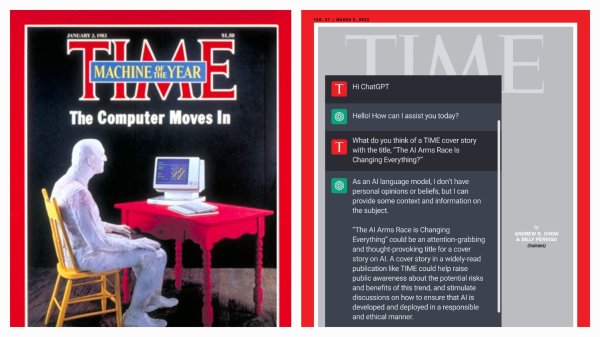
In 1982, Time Magazine’s cover depicted a man sitting opposite a computer screen. The headline read “The Computer Moves In”. Time’s cover captured a pivotal civilizational moment, as the introduction of the personal computer would lead to the creation of a new society- a digital society complete with its own logics, norms, values and laws... Continue Reading →
Time to Regulate Social Media?
In his last recorded interview from 1986, astronomer Carl Sagan stated “We’ve arranged a society based on science and technology in which nobody understands anything about science and technology. And this combustive mixture of ignorance and power, sooner or later, is going to blow up in our faces”. The ignorance, and power, which Sagan was... Continue Reading →
Monday’s Must Read List
Each week, I publish a list of interesting articles, essays and reports that may be of interest to the digital diplomacy community. This week- The relationship between AI and humans (The Economist) Saudi Arabia says tech giants to invest more than $9 billion in kingdom (Reuters) The People Onscreen Are Fake. The Disinformation Is Real... Continue Reading →
Challenger 2: Transparency and Military Aid in the Digital Age
On Monday, the British Ministry of Defence tweeted that the United Kingdom (UK) had decided to send a squadron of Challenger 2 Tanks to Ukraine thus accelerating “Ukrainian successes”. This new ‘arms package’ comes in the wake of heated debates on social media. In recent days, Twitter has been abuzz with rumors that European nations... Continue Reading →
Monday’s Must Read List
Each week, I publish a list of interesting articles, essays and reports that may be of interest to the digital diplomacy community. This week- Researchers warn of rise in extremism online after Covid (BBC News) The Illusion of Controls (Foreign Affairs) UK spy agency had to ‘pre-bunk’ Russian propaganda over Ukraine war, GCHQ boss says... Continue Reading →