Each week, I publish a list of interesting articles, essays and reports that may be of interest to the digital diplomacy community. This week – China: MI5 and FBI heads warn of ‘immense’ threat (BBC News)North Korean hackers are targeting American healthcare organizations (TechCrunch)How Ukraine Is Winning the Propaganda War (Wired)Japanese court ruling poised to... Continue Reading →
Recording: At a Crossroads- Examining Covid-19’s Impact on Public & Digital Diplomacy
On February 25, 2022, the Department of Communications at Ben Gurion University of the Negev and ICA’s Public Diplomacy Interest Group co-hosted a panel on how Covid19 impacted public diplomacy. The Covid-19 pandemic is a unique global crisis that has significantly changed social, cultural, and political behaviours. For one, the world is no longer as... Continue Reading →
A War of Digital Firsts
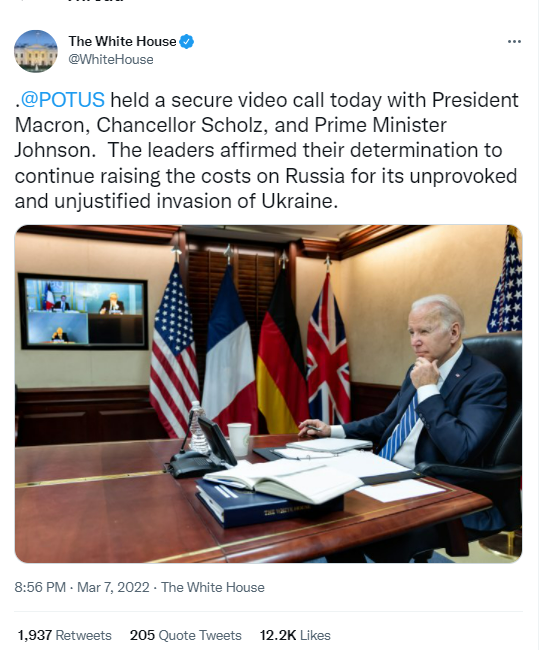
The War in Ukraine has been substantially impacted by digital technologies. In fact, it has been a war of many digital firsts, and there is little doubt that Ukraine’s innovative use of digital technologies will alter the nature of modern conflict. Ukraine’s approach during the war has not rested on employing new technologies but, rather,... Continue Reading →
Digital Diplomacy in #Ukraine- A Case of Strategic Transparency
The age of social media is the age of total transparency. Studies have found that the more personal a tweet or Facebook post, the more a user bares his soul, the more Likes they will garner. And as social media users wish to be seen and Liked, they become accustomed to sharing all facets of... Continue Reading →
Media-Jacking or the Role of Media Events in the Digital Age
In the late 1980’s Daniel Dayan and Elihu Katz developed their theory of Media Events. They argued that certain high-profiled Media Events may have prolonged societal impacts. The two scholars were influenced by the historic visit of Egyptian President Anwar Sadat to Israel in 1977. Dayan and Katz argued that this Media Event altered the... Continue Reading →
Are Consular Tweets a New Form of Crisis Signaling?
When scholars and pundits discuss digital diplomacy, they tend to equate this term with social media activities. Indeed, the majority of digital diplomacy studies have focused on how and why social media is used by foreign ministries (MFAs), embassies, Ambassadors and International Organisations. Studies have explored the numerous ways in which states use sites such... Continue Reading →
“Follow-mies”- Is Diplomatic Reciprocity Binding in Digital Diplomacy?
Social media sites are predicated on the concept of reciprocity. When a user follows one of his peers, he expects his peer to respond in kind. The same is true with content engagement. The basis of social media is a social contract where users “Like” and “Share” one another’s content. Given that the ultimate goal... Continue Reading →
Israel Escalates Twitter Feud with Iran
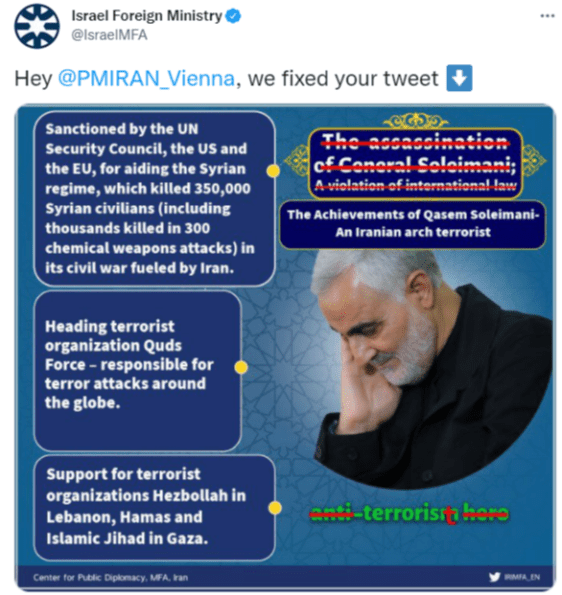
Recent years have seen the mass migration of MFAs (foreign ministries) and diplomats to social media sites. It is now estimated that 95% of UN Member States have established some form of social media presence. Iran is no exception. Although Twitter, Facebook and other platforms cannot be accessed from Iran, senior Iranian policy makers can... Continue Reading →
Walking a Tightrope: How Ambassadors Meet the Demands of the Digital Society
To understand digital diplomacy, one must first understand the digital society. The reason being that diplomacy is a social institution and diplomats are social beings. Processes that affect society as a whole affect diplomats and it is through diplomats that such processes permeate into MFAs giving rise to new norms, values and working routines. Sociologists... Continue Reading →
Monday’s Must Read List
Each week, I publish a list of interesting articles, essays and reports that may be of interest to the digital diplomacy community. This week- How Israeli Spy-tech Became Dictators' Weapon of Choice (Haaretz Newspaper)The opportunities that geospatial technology presents for India Inc. (The Economic Times)We don’t yet have the technology needed to reach net zero... Continue Reading →