To the leadership of the ISA, The events unravelling in the United States have led many members of the ISA to reevaluate their decision to attend this year's conference in Baltimore. Throughout my short academic career I have adamantly opposed academic boycotts, including those against my own country, Israel. This opposition stems not from my... Continue Reading →
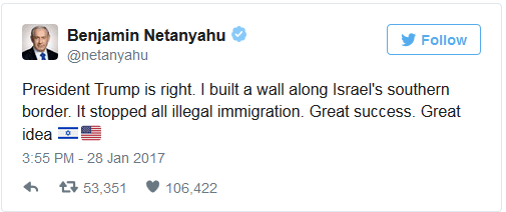
What’s in a Tweet? The Case of Benjamin Netanyahu and the Mexican Wall
Yesterday evening I was interviewed on an Israeli radio show regrading a recent tweet published by Israeli Prime Minister Benjamin Netanyahu. In this tweet the PM argued in favour of the construction of a wall between the US and Mexico. As usual, I was asked “What’s in a Tweet?”, or how much information can we... Continue Reading →
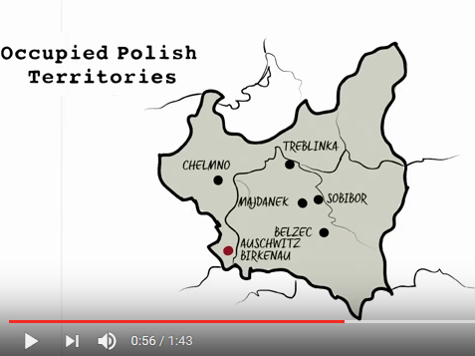
Poland’s #Selfie Diplomacy
On January 23, 2017, the Polish Embassy in the US published a YouTube video titled “Words Matter”. The video aims to ensure that journalists and social media users employ the correct term when referring to concentration camps built by Nazi Germany on Polish soil during World War 2. This video serves as a fascinating example... Continue Reading →
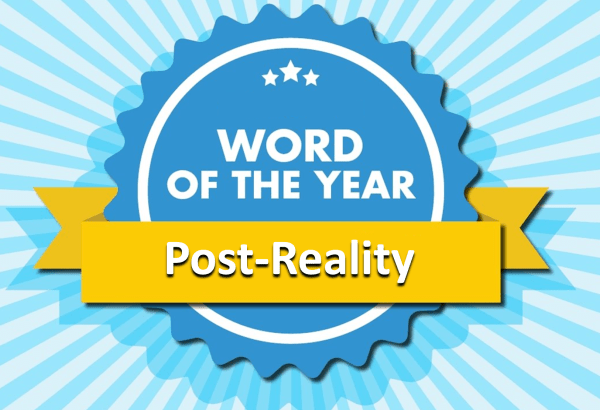
Is Post-Reality the Word of the Year in Digital Diplomacy?
In November of 2016, Oxford dictionary proclaimed “Post Truth” the 2016 word of the year. The choice was obviously a reflection of two important political campaigns- Brexit and the US Presidential elections. In both campaigns truth became subservient to political gains while the distinction between fact and fiction eroded. Exaggerations, fabrications and lies became an... Continue Reading →
On the use of images in the diplomatic struggle over Syria
Two weeks ago I published an analysis of the images of Syria used by the British FCO on Twitter. My analysis found that the FCO employs images that resonate with iconic moments from British history. In addition, I found that these images are an integral part of the British narrative of events in Syria. This... Continue Reading →