When exploring digital diplomacy, scholars and practitioners tend to treat diplomacy as an island entire of itself. Some scholars, for instance, examine how digital tools facilitate diplomatic activities. Such is the case with virtual embassies that enable diplomats to foster ties with distant foreign populations. Other times scholars examine how digital tools complicate the practice... Continue Reading →
The Training Disconnect: How to Prepare Diplomats for the Digital Age
The adoption of digital technologies by diplomats has had a profound impact on the working routines of ministries of foreign affairs (MFAs). Specifically, digital technologies have had a temporal and spatial effect on diplomacy. The speed with which news travels online has reduced the response time of diplomats. Those wishing to comment on world events... Continue Reading →
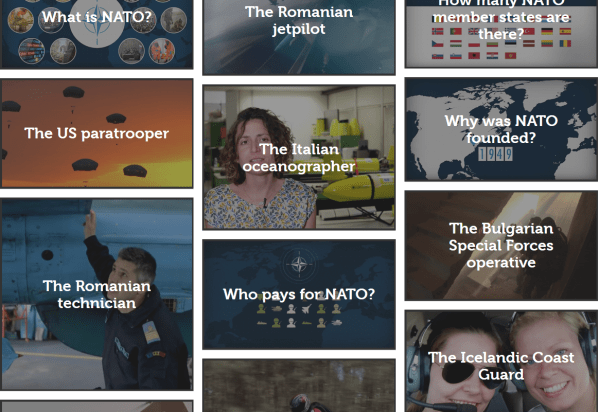
NATO’S Digital Narrative- “What We Are”, Not “Who We Are”
The word narrative has for some time dominated conversations about digital diplomacy. At the most basic level, narratives are viewed as compelling stories through which state and non-state actors can explain their policies and actions. The narrative is thus a rhetorical and visual device that replaces official press statements lined with diplomatic double entendres and... Continue Reading →
Pull Versus Push in Digital Diplomacy: Which Approach is Better?
The Crimean Crisis has been regarded as a turning point in the relationship between Western Europe and Russia. The Crisis, which burst onto the scene in December of 2013, saw strongly worded tweets followed by troop convoys, financial sanctions and the expulsion of diplomats. In the wake of the Crisis, governments in Western Europe came... Continue Reading →
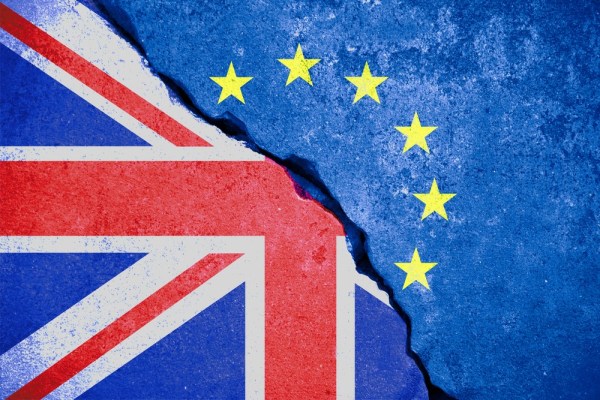
Selfie Diplomacy in a post-Brexit World
In 2015 Dr. Elad Segev and I examined the Selfie Diplomacy of the US State Department. We defined selfie diplomacy as the use of social media sites to proactively manage a nation’s image. In this sense, selfie diplomacy is akin to nation branding campaigns in which a nation’s image can be created, monitored and evaluated... Continue Reading →
Can digital diplomacy skills serve as public diplomacy resources? The case of Brexit
When evaluating the digitalization of public diplomacy, one can segment this process into two stages. The first stage lasted from circa 2007 to 2014. It was during this stage that diplomats and diplomatic institutions began to experiment with digital technologies. In 2007 the Swedish Institute launched one of the world’s first virtual embassies. In 2011... Continue Reading →
Are Retired Ambassadors Digital Diplomacy Assets?
The origins of digital diplomacy may be traced back to the search for “cost-effective” diplomacy at the beginning of the 21st century. The end of the Cold War was accompanied by reductions in the funds allocated to public diplomacy activities. The demise of the Soviet Union was supposed to be replaced by a homogenous capitalist... Continue Reading →
How do you solve a problem like Trump? A public diplomacy perspective
Last week US President Donald Trump was asked by a Fox News reporter “why should my son go to Montenegro to defend it from an attack”. Responding to the question, Trump stated that “I’ve asked the same question” casting doubt on America’s resolve to stand by the newest member of the NATO alliance. Trump’s statement... Continue Reading →
Revisiting Putnam’s two-level game theory in the digital age: Domestic digital diplomacy and the Iran nuclear deal
Note: This post was originally published on the blog of the Cambridge Review of International Affairs and was co-authored with Corneliu Bjola. In 1988, Robert Putnam conceptualised diplomatic negotiations as a two-level game in which national and international politics often collide. In this framework, constituents and interest groups (labour unions, activist groups, etc.) pursue their interests at... Continue Reading →
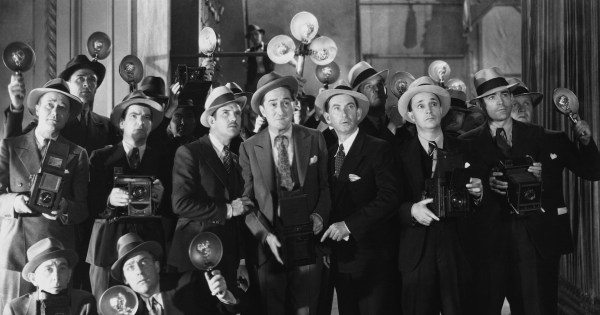
The Growing Importance of Journalists in Diplomacy
In 1986 a new press attaché was appointed to the Israeli Embassy in London. His first task was to establish close working relationships with the editors of Fleet Street, the home all major British newspapers at the time. One of the attaché’s most important meeting was with the journalist writing the editorials for the Times... Continue Reading →