ChatGPT and the Future of Diplomacy

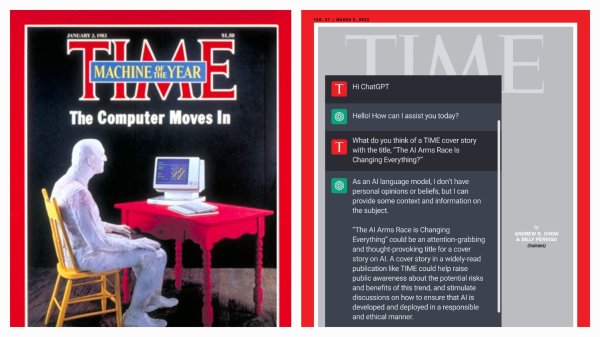
In recent works, scholars and diplomats have begun to experiment with ChatGPT, the generative AI bot that has taken the world by storm. For scholars of diplomacy, ChatGPT is yet another digital innovation that may disrupt the work of diplomats. Just like social media, big data, messaging apps and bots, ChatGPT may prove both useful... Continue Reading →

Ukraine’s Unique Approach to Celebrity Diplomacy

Celebrity diplomacy is not a new phenomenon. For many decades, multilateral institutions such as UNICEF (United Nations International Emergency Children’s Fund) have relied on celebrities to increase awareness to important causes and raise funds. Other times celebrities join NGOs to promote specific causes ranging from alleviating poverty in Africa to helping child soldiers rejoin society.... Continue Reading →

What Role Does OSINT Play in Ukraine Crisis?

One of the defining characteristics of the Russia-Ukraine War has been the emergence of OSINT, or open-source intelligence. The term itself is not new. Several years ago, the British Foreign Office created an ‘open-source intelligence unit’ tasked with gathering information from online sources. This information would then be used by British diplomats to obtain foreign... Continue Reading →

Real Time Diplomacy During the Russia Ukraine War

In 2012, Philip Seib published the book “Real-Time Diplomacy”. Seib argued that digital technologies in general, and social media in particular, had expedited the practice of diplomacy. The reason for this was the acceleration in news coverage made possible thanks to the emergence of citizen journalism. Seib viewed social media as a competitive arena in... Continue Reading →

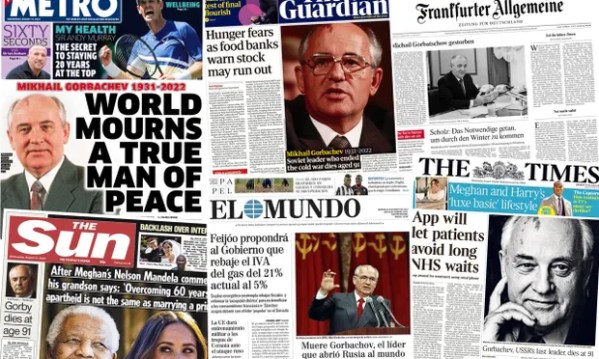
Framing Gorbachev: How World Leaders Reacted to the Death of Mikhail Gorbachev

On Wednesday, August 31st, it was announced that former Soviet leader Mikhail Gorbachev died aged 91. As is the case with any major event, different news outlets narrated Gorbachev’s differently. Newspapers, websites and bloggers all adopted different narratives, or frames when depicting Gorbachev . For instance, the BBC headline read “Mikhail Gorbachev: Last Soviet leader... Continue Reading →

Blog at WordPress.com.

Up ↑