Introduction Over the past year, a growing number of scholars, diplomats and journalists have reflected on the growing importance of algorithms to the conduct of diplomacy. Some MFAs now employ algorithms to analyze online discourse in foreign countries in an attempt to anticipate civil unrest. Likewise, algorithms are used to identify relevant audiences for public... Continue Reading →
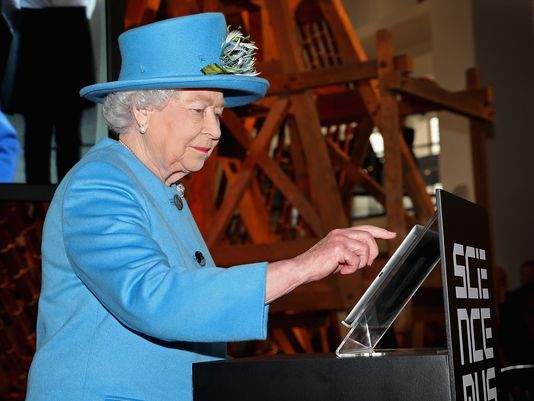
Can Monarchs’ Twitter accounts serve as a public diplomacy medium?
The end of World War 2 saw the decline and ultimate abolition of most European Monarchies. By 1945, the majority of European nations had either exiled their Monarch or transitioned towards various forms of constitutional Monarchies. Yet while the remaining Monarchs may have lost their hard power resources (i.e., their status as sovereigns) they soon... Continue Reading →
The Online King Diplomats
In a fascinating article published in 2015, Piki Ish-Shalom argued that world leaders have begun to take charge of the mundane, routine, workings of diplomacy rather than limiting their involvement in diplomacy to times of crises. World leaders are now King Diplomats. Ish-shalom further argues that world leaders’ over reaching in diplomacy leads us to... Continue Reading →
WikiLeaks Revisited
On the 28th of November 2010, pandemonium spread among foreign ministries throughout the world as WikiLeaks began publishing some 250,000 diplomatic cables sent between US missions around the world and the State Department in Washington. These cables included frank assessments by US diplomats of world leaders, governments and their host countries. Hailed by some as... Continue Reading →
The State of Russian Digital Diplomacy-Part 2
Last week I published the first in a series of three posts dealing with the Russian digital diplomacy. When analyzing the digital diplomacy reach of Russian embassies to Western capitals and the UN, I found that Russia may be losing out to the west on social media. This week I conducted a comparison between Russian... Continue Reading →