The New Gatekeepers: Nation Branding in the Age of AI Bias
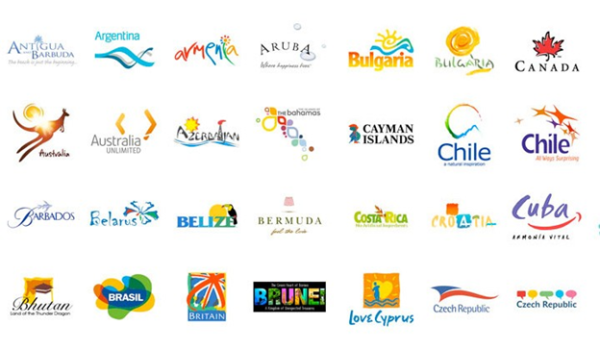
Nation branding studies suggest that, like consumer products, nations elicit certain cognitive associations. Just as the “Apple” brand evokes the associations of innovation and sleek design, the “France” brand elicits deep seated associations with culture, romance, and artistic movements. Much like consumer products, nations may also elicit negative associations. France may just as easily elicit... Continue Reading →

Weaponized Synthetic Intimacy and the Fourth Wave of Digital Disinfromation

Since the advent of digital diplomacy, states and diplomats have struggled to contain malign actors from leveraging technology for nefarious ends. There were three distinct waves of digital disinfromation. The early 2010s were defined by coordinated disinformation campaigns. State-managed accounts and "fake news" sites flooded social feeds with malicious content, warping reality and intensifying political... Continue Reading →

The Threat of Weaponized Synthetic Intimacy

Note: This post was originally published on E-International Relations. Click here to view The rapid rise of AI companions represents a profound shift in how people relate to technology. Originally designed to answer queries, provide information, and assist with daily tasks, AI tools such as ChatGPT, Claude, and Gemini are now being customized by users... Continue Reading →

AI Companions: The New Frontier of Disinformation

Last week, The Economist published a review of the burgeoning AI companion industry. The companion industry is gaining momentum globally, with individuals either customizing existing platforms like ChatGPT into romantic partners, with specified ages, professions (such as tech executive), and personality traits encompassing wit, dry humour, and an appreciation for romantic comedies. Others turn to... Continue Reading →

How Different AIs Frame America’s Support for Ukraine

In a previous blog post, I sought to examine a possible Country-of-Origin Effect in Generative AI applications. In the late 1990’s nation branding scholars began exploring the Country-of-Origin Effect.  Rooted in marketing research, the Country-of-Origin Effect suggested that consumer labels impact individuals’ willingness to buy products. For example, the “Made in China” label was once... Continue Reading →

AI’s Country of Origin Effect

Power is often defined as the ability to direct or influence the behavior of others or the course of events. An interesting question is whether AI has power and how this power is exercised. One way in which the power of AI may be conceptualized is the ability of Generative AIs such as ChatGPT to... Continue Reading →

The New Digital Language of “PopAI”

On July 17, 2025, a kiss cam at a Coldplay concert captured Astronomer CEO Andy Byron and HR chief Kristin Cabot embracing, prompting viral speculation of an affair. The lead singer’s on-stage comment, "Either they’re having an affair or they’re just very shy”, as well as the couple’s obvious alarm at being caught on camera,... Continue Reading →

National Image Management in the Digital Age

Scholars have long since asserted that nations have images. Although scholars differ on what these images consist of, and whether these images can be managed, they nonetheless agree that like consumer brands, nations elicit cognitive associations in people's minds. Upon hearing the name “Germany”, for example, certain associations may spring to people’s minds be it... Continue Reading →

The Dangers of the AI Hype

A version of this post was originally published on E-IR website and can be found here According to Dr. Dan Kotliar, technological advancements are accompanied by a certain degree of hype, or hyperbolic discourse. The internet, for example, was accompanied by a democratization hype with scholars and pundits arguing that the internet would enable new... Continue Reading →

Blog at WordPress.com.

Up ↑