Yesterday I set out to understand the current state of affairs in Ukraine. The day began, as always, with a barrage of memes mocking a meeting between Russian President Putin and Russian Foreign Minister Sergey Lavrov. The news was not all bad. Though the two gentlemen seemed distanced, Lavrov emphasized that there may still be... Continue Reading →
Effective Government Communication During Covid19: What Governments Can Learn from Diplomats
A recent article in Nature, titled "Toward effective government communication strategies in the era of COVID-19", outlines communications policies that may help governments face the Covid-19 pandemic. The authors layout 9 guiding principles for "effective" government communication, including clarity, honesty and empathy. It is interesting that most of these principles are relevant to digital diplomacy,... Continue Reading →
Is it time for a terminology shift in digital diplomacy?
The digitalization of diplomacy has been closely associated with the practice of public diplomacy. Indeed, early adopters sought to leverage digital tools such as social media, blog sites and virtual worlds to foster ties with foreign populations. Public diplomacy underscored the digitalization of the US State Department that sought to engage with critical Muslim audiences... Continue Reading →
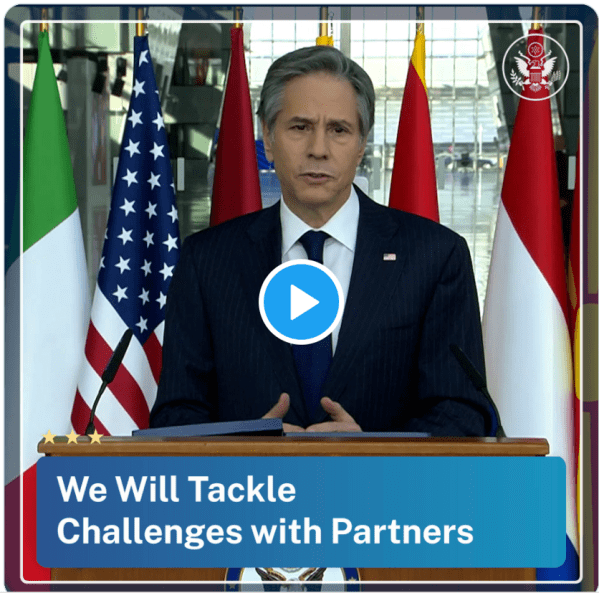
America’s New Rhetoric of Alliances
In a recent article, Guy Golan and I argued that the 21st century will be governed by three giants: The US and China, thanks to their military and financial power, and India thanks to its status as the world’s telecommunications hub. In the world of giants, no single nation will be able to later the... Continue Reading →
Wikipedia is a Digital Diplomacy Priority
By the end of the 18th century, the Palace of Versailles was no longer home to France's greatest thinkers. These had migrated to Paris where they attended the city's salons. French salons were never as ostentatious as those of Versailles, nor as rigid and overburdened with ceremony. The salons were simple parlor gatherings hosted by... Continue Reading →
Algorithms as Audiences
Diplomacy’s digitalization has advanced at a remarkable speed. MFAS, once defined as archaic institutions who lack the communicative culture to adapt to new technologies, have launched virtual Embassies, created smartphone applications, built blog sites, established big data units and have taken to writing their own algorithms. While not all digital initiatives have ended in a... Continue Reading →
What Digital Diplomacy Adds to IR?
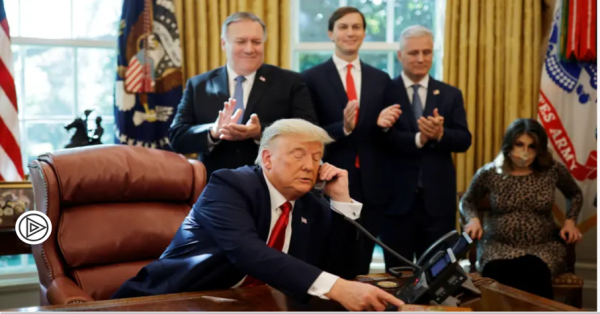
This post seeks to articulate how the study of digital diplomacy contributes to the study of international relations as a whole. To do so, it focuses on the image below. The picture depicts then US President Donald Trump holding a conference call between the leaders of Israel and Sudan, who agreed to normalize ties following... Continue Reading →
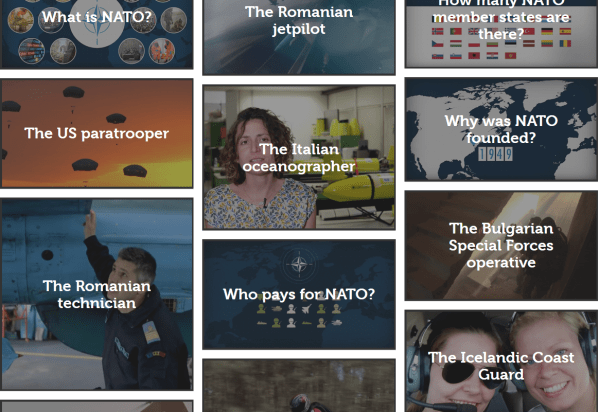
NATO’S Digital Narrative- “What We Are”, Not “Who We Are”
The word narrative has for some time dominated conversations about digital diplomacy. At the most basic level, narratives are viewed as compelling stories through which state and non-state actors can explain their policies and actions. The narrative is thus a rhetorical and visual device that replaces official press statements lined with diplomatic double entendres and... Continue Reading →
Can digital diplomacy skills serve as public diplomacy resources? The case of Brexit
When evaluating the digitalization of public diplomacy, one can segment this process into two stages. The first stage lasted from circa 2007 to 2014. It was during this stage that diplomats and diplomatic institutions began to experiment with digital technologies. In 2007 the Swedish Institute launched one of the world’s first virtual embassies. In 2011... Continue Reading →
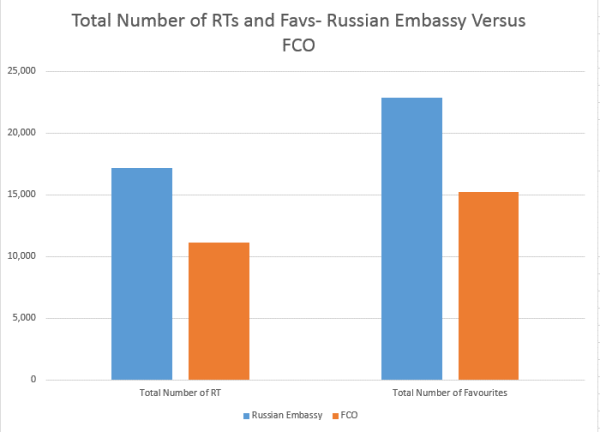
Who is Winning the #DigitalDiplomacy Competition over the Salisbury Attack?
Introduction March 4th saw a nerve agent attack in London that left two people dead. According to the British government, this attack was perpetrated by Russia and constitutes the first nerve agent attack since the end of World War 2. In the hours and days following the attack, the UK government demanded that Russia offer... Continue Reading →