Note: This post was originally published on the blog of the Cambridge Review of International Affairs and was co-authored with Corneliu Bjola. In 1988, Robert Putnam conceptualised diplomatic negotiations as a two-level game in which national and international politics often collide. In this framework, constituents and interest groups (labour unions, activist groups, etc.) pursue their interests at... Continue Reading →
From Digital Tactics To Digital Strategies: Practicing Digital Public Diplomacy
Note: This post was co-written with Prof. Corneliu Bjola and first appeared on the USC Center for Public Diplomacy Blog On the 1st and 2nd of February 2017, the Oxford Digital Diplomacy Research Group (DigDiploRox) took part in The Hague Digital Diplomacy Camp. Organized by the Dutch Foreign Ministry, the Camp sought to explore the... Continue Reading →
The Digitalization of Diplomacy: Toward Clarification of a Fractured Terminology
2017 marks a decade since the advent of “digital diplomacy”. What began as an experiment by a select number of foreign ministries has transformed into routine practice for diplomats and embassies the world over. To mark this occasion, I will be publishing a series of working papers. The goal of this series is to reflect... Continue Reading →
The Digitalization of Diplomacy
Digital diplomacy is no longer a novel phenomenon. In one form or another, digital diplomacy has existed for more than a decade. And yet scholars and practitioners continue to explore the practice and definition of digital diplomacy. During this process, different scholars and MFAs have offered different terms to understand the utilization of digital tools... Continue Reading →
Diplomacy in the Age of Simulacra
The age of Simulacra Swiss linguist Ferdinand de Saussure is known for his theory of signifier and signified. A "signifier" is a verbal reference to a given object, while "signified" is the actual object being referred too. For instance, the word "chair" is the signifier for the object on which individuals sit in an office... Continue Reading →
Ambassadors as Digital Gatekeepers
Technology has always influenced the practice of diplomacy and, subsequently, the role of Ambassadors. Until the 19th century Ambassadors were both extraordinary and plenipotentiary meaning that they had the authority to negotiate on behalf of their monarch and even sign treaties in his name. This was a result of the communication mediums that were available... Continue Reading →
Is the Backstage of Diplomacy Disappearing?
20th Century Diplomacy For most of the 20th Century, diplomacy was practiced behind iron curtains. While diplomats would often pose for photo opportunities, such photographs were taken before and after their meetings. The diplomatic deliberations themselves took place within the inner sanctums of great palaces or behind the closed doors of historic halls. It was... Continue Reading →
Poland’s #Selfie Diplomacy
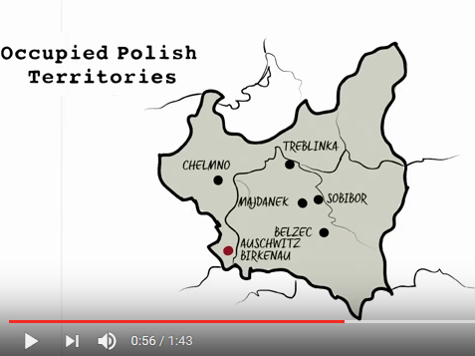
On January 23, 2017, the Polish Embassy in the US published a YouTube video titled “Words Matter”. The video aims to ensure that journalists and social media users employ the correct term when referring to concentration camps built by Nazi Germany on Polish soil during World War 2. This video serves as a fascinating example... Continue Reading →
Is Post-Reality the Word of the Year in Digital Diplomacy?
In November of 2016, Oxford dictionary proclaimed “Post Truth” the 2016 word of the year. The choice was obviously a reflection of two important political campaigns- Brexit and the US Presidential elections. In both campaigns truth became subservient to political gains while the distinction between fact and fiction eroded. Exaggerations, fabrications and lies became an... Continue Reading →
On the use of images in the diplomatic struggle over Syria
Two weeks ago I published an analysis of the images of Syria used by the British FCO on Twitter. My analysis found that the FCO employs images that resonate with iconic moments from British history. In addition, I found that these images are an integral part of the British narrative of events in Syria. This... Continue Reading →