Each week, I publish a list of interesting articles, essays and reports that may be of interest to the digital diplomacy community. This week- Meta has created a way to watermark AI-generated speech (MIT Technology Review) Immersive technology, blockchain and AI are converging — and reshaping our world (World Economic Forum) EU to take further... Continue Reading →
Monday’s Must Read List
Each week, I publish a list of interesting articles, essays and reports that may be of interest to the digital diplomacy community. This week – Senate Bill to Boost Chip Production, Advanced Technology Set to Move Ahead (Wall Street Journal)Google fires engineer who said AI tech has feelings (BBC News)Kmart halt use of facial recognition... Continue Reading →
The EU’s New Digital Vision
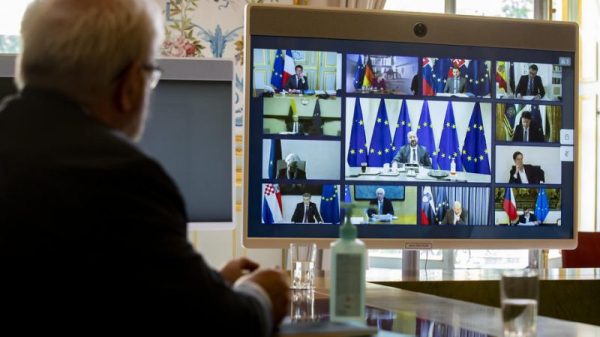
On Monday, the Council of the European Union published a policy report outlining the EU’s new approach to digital diplomacy. As I argue in this blog post, the EU’s policy report is important for three reasons. First, it was published in the midst of the Russia-Ukraine War in which digital technologies have played a crucial... Continue Reading →
Who won the framing competition over Afghanistan? A Twitter Analysis
In 2012, Craig Hayden published one of the first research papers on digital diplomacy. Focusing on the emergence of social media, Hayden stated that the audiences of diplomacy were fragmented into networks of elective exposure. Some individuals learned about the world by following diplomats on Twitter, others turned to trusted bloggers while still others followed... Continue Reading →
How Chinese Ambassadors Use Twitter
In my 2019 book, The Digitalization of Public Diplomacy, I dedicated a chapter to Ambassadors’ use of Twitter. My assertion was that Ambassadors may be viewed by digital publics as trusted sources of information. This is because Ambassadors have privileged access to information, they have access to the highest echelons of power, they are viewed... Continue Reading →
Monday’s Must Read List
Each week, I publish a list of interesting articles, essays and reports that may be of interest to the digital diplomacy community. This week- MEPs call for European AI rules to ban biometric surveillance in public (TechCrunch)Who Would Volunteer to Fact-Check Twitter? (The Atlantic)Twitter begins analyzing harmful impacts of its algorithms (The Verge)Can CLUBHOUSE Keep... Continue Reading →
Biden Goes Viral; But Not Among Diplomats
On January 20th, as President Joe Biden took the Oath of Office, he also gained control of the @POTUS Twitter account (President of the United States), one of the most followed accounts on Twitter. Both his predecessors had amassed a vast following online with Donald Trump reaching some 90 million followers and Barack Obama 137... Continue Reading →
Monday’s #MustRead List
Each week, I publish a list of interesting articles, essays and reports that may be of interest to the digital diplomacy community. This week- 'Digital poverty' could lead to lost generation of university students, vice-chancellors say (The Guardian)American Airlines Is The First US Carrier To Use Digital Health Passport (Flying Simple)China Envisions Digital-Currency Future, With... Continue Reading →
Corona and the European Commission
Last week I analyzed Corona-related tweets published by the European External Action Service (EEAS). This week I turned my attention to the European Commission. The Commission is, in essence, the governing body of the EU. It helps manage the EU’s external and internal affairs. The prolonged Brexit debate emphasized that while the UK viewed the... Continue Reading →
NATO’S Digital Narrative- “What We Are”, Not “Who We Are”
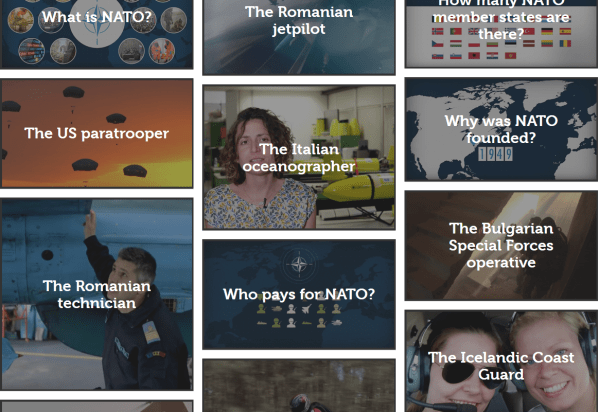
The word narrative has for some time dominated conversations about digital diplomacy. At the most basic level, narratives are viewed as compelling stories through which state and non-state actors can explain their policies and actions. The narrative is thus a rhetorical and visual device that replaces official press statements lined with diplomatic double entendres and... Continue Reading →