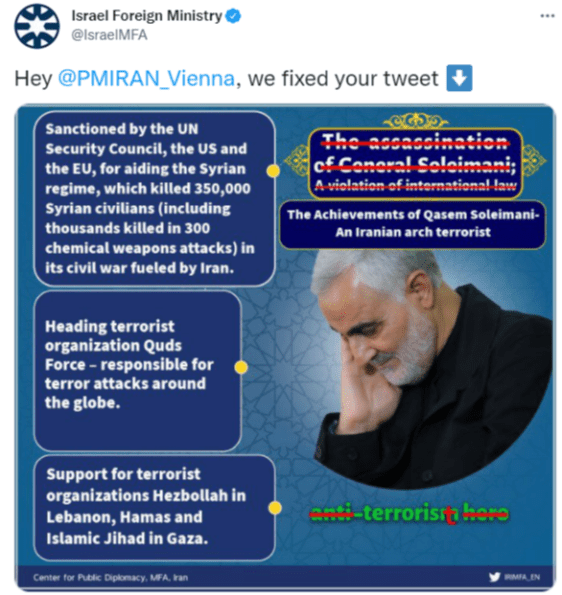
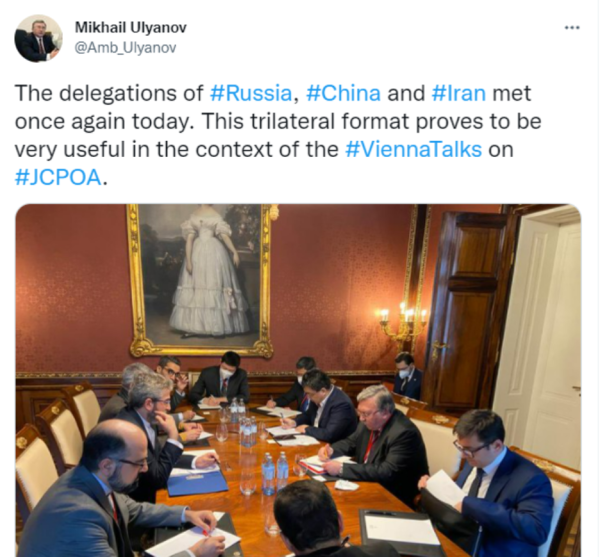
Recent years have seen the mass migration of MFAs (foreign ministries) and diplomats to social media sites. It is now estimated that 95% of UN Member States have established some form of social media presence. Iran is no exception. Although Twitter, Facebook and other platforms cannot be accessed from Iran, senior Iranian policy makers can... Continue Reading →
Walking a Tightrope: How Ambassadors Meet the Demands of the Digital Society
To understand digital diplomacy, one must first understand the digital society. The reason being that diplomacy is a social institution and diplomats are social beings. Processes that affect society as a whole affect diplomats and it is through diplomats that such processes permeate into MFAs giving rise to new norms, values and working routines. Sociologists... Continue Reading →
The End of the Charm Offensive? Iran on Social Media
The 2013 election of Hassan Rouhani as President of Iran was greeted with a global sigh of relief. Here was a clear indication that Iran was willing to rejoin the international community even at the cost of halting its nuclear weapons program. From the eve of his election, Rouhani was positively depicted in Western media... Continue Reading →
The Iran Deal is already being negotiated on Twitter
Digital platforms are now increasingly used for diplomatic signaling. MFAs and diplomats often use Twitter to comment on crises, address other nations’ policies and even criticize state action. They do so knowing full well that their Twitter accounts are monitored by their peers, and influential social media users such as journalists and blogger. Already in... Continue Reading →
Algorithms as Audiences
Diplomacy’s digitalization has advanced at a remarkable speed. MFAS, once defined as archaic institutions who lack the communicative culture to adapt to new technologies, have launched virtual Embassies, created smartphone applications, built blog sites, established big data units and have taken to writing their own algorithms. While not all digital initiatives have ended in a... Continue Reading →
Crafting Digital Diplomacy Campaigns: How America’s Iranian Campaign is Backfiring
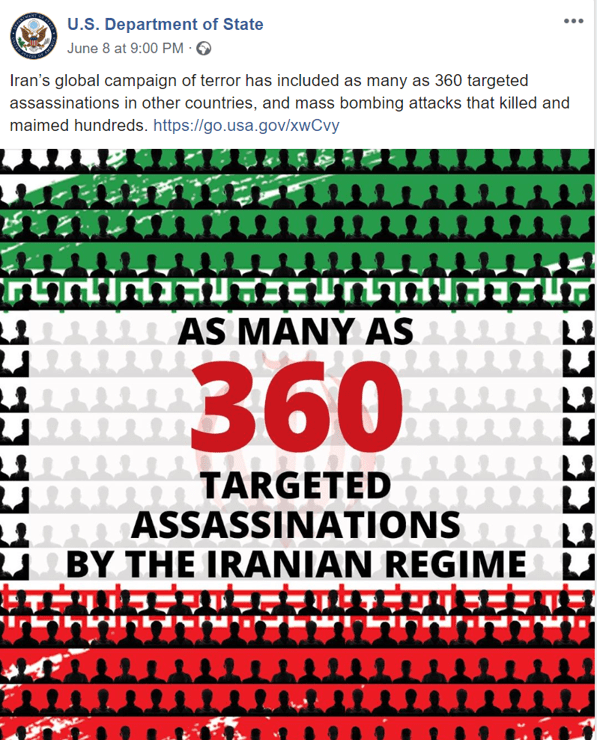
The Value of Facebook Comments When reviewing the US State Department’s Facebook account, it becomes apparent that the Department is in the midst of two digital campaigns. The first focuses on China’s alleged misconduct during the Covid19 outbreak. The second argues that Iran’s nefarious activities in the region, and the world, must be met by... Continue Reading →
Revisiting Putnam’s two-level game theory in the digital age: Domestic digital diplomacy and the Iran nuclear deal
Note: This post was originally published on the blog of the Cambridge Review of International Affairs and was co-authored with Corneliu Bjola. In 1988, Robert Putnam conceptualised diplomatic negotiations as a two-level game in which national and international politics often collide. In this framework, constituents and interest groups (labour unions, activist groups, etc.) pursue their interests at... Continue Reading →