In September of 1952, the world was shocked to learn that Israel and West Germany has signed an accord promising financial reparations to the Jewish victims of Nazi Germany. Until that month, Israel had vowed to never recognize, negotiate or interact with West Germany. The accord was made possible once German Chancellor, Konrad Adenauer, made... Continue Reading →
Russia and India- Strategic Allies?
Although booted out of office, Tony Blair remains an astute observer of international affairs. In a recent statement, Blair argued that the 21st century will be governed by three giants: China, thanks to its military and financial power, and the US thanks to its financial prowess and mass investments in defense. The third giant has... Continue Reading →
Monday’s Must Read List
Each week, I publish a list of interesting articles, essays and reports that may be of interest to the digital diplomacy community. This week- Does Big Tech Hurt U.S. National Security? (Foreign Affairs)Lobbying row: Why ministers have two mobile phones (BBC News)Defending democracies from disinformation and cyber-enabled foreign interference (The Strategist)Technology will save emerging markets... Continue Reading →
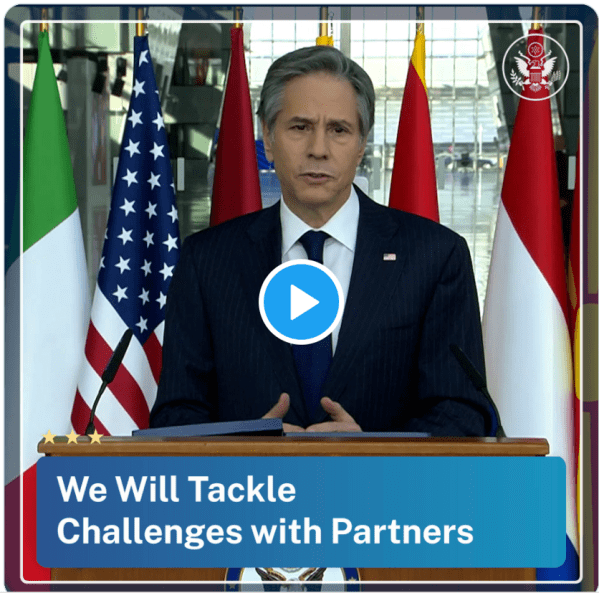
America’s New Rhetoric of Alliances
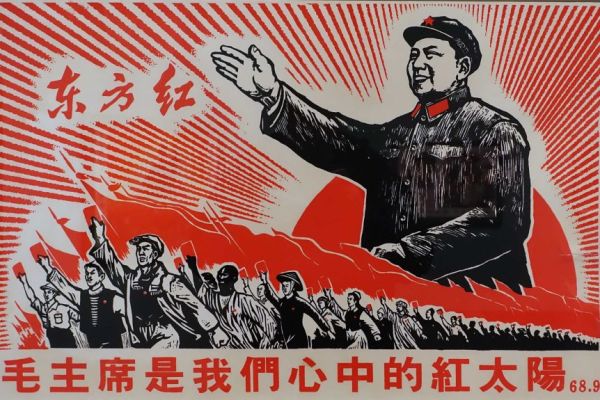
In a recent article, Guy Golan and I argued that the 21st century will be governed by three giants: The US and China, thanks to their military and financial power, and India thanks to its status as the world’s telecommunications hub. In the world of giants, no single nation will be able to later the... Continue Reading →
Monday’s Must Read List
Each week, I publish a list of interesting articles, essays and reports that may be of interest to the digital diplomacy community. This week- Disruptive Innovation 2021: These 15 big ideas are most likely to change the world (ZDNet)The Tech That Will Invade Our Lives in 2021 (The New York Times)Why a dawn of technological... Continue Reading →
The Iran Deal is already being negotiated on Twitter
Digital platforms are now increasingly used for diplomatic signaling. MFAs and diplomats often use Twitter to comment on crises, address other nations’ policies and even criticize state action. They do so knowing full well that their Twitter accounts are monitored by their peers, and influential social media users such as journalists and blogger. Already in... Continue Reading →
Algorithms as Audiences
Diplomacy’s digitalization has advanced at a remarkable speed. MFAS, once defined as archaic institutions who lack the communicative culture to adapt to new technologies, have launched virtual Embassies, created smartphone applications, built blog sites, established big data units and have taken to writing their own algorithms. While not all digital initiatives have ended in a... Continue Reading →
Monday’s #MustRead List
Each week, I publish a list of interesting articles, essays and reports that may be of interest to the digital diplomacy community. This week- Subtle cyberattack met by swift cybersecurity acts (The Jerusalem Post)5 challenges to the new EU digital rulebook (Politico)Queen Elizabeth will deliver her Christmas Day message via Alexa this year, if you... Continue Reading →
The new “new” propaganda
The term propaganda has accompanied digital diplomacy since its inception more than a decade ago. Notably, although the propaganda has a negative connotation it actually dates back to the Catholic church that wished to propagate the faith. As technologies have evolved, so have the forms of propaganda. Under the reign of Henry VI, tapestries were... Continue Reading →
Crafting Digital Diplomacy Campaigns: How America’s Iranian Campaign is Backfiring
The Value of Facebook Comments When reviewing the US State Department’s Facebook account, it becomes apparent that the Department is in the midst of two digital campaigns. The first focuses on China’s alleged misconduct during the Covid19 outbreak. The second argues that Iran’s nefarious activities in the region, and the world, must be met by... Continue Reading →