In recent years, digitalization has swept through diplomatic institutions altering diplomats’ working routines, norms, values and working procedures. In less than a decade, Ministries of Foreign Affairs (MFA) have migrated to social media, launched virtual embassies, written algorithms, created smartphone applications and conducted consular simulations. Some MFAs have been able to invest substantial resources in... Continue Reading →
Should Diplomats Pay More Attention to Publics’ Online Knowledge Voyage?
Two years ago the Dutch Foreign Ministry held a Digital Diplomacy Camp. Over the course of two days, the Camp offered a platform for diplomats, journalists, scholars and representatives of social media companies eager to discuss the digitalization of diplomacy. In one session, Jay Wang of the USC Center on Public Diplomacy reflected on online... Continue Reading →
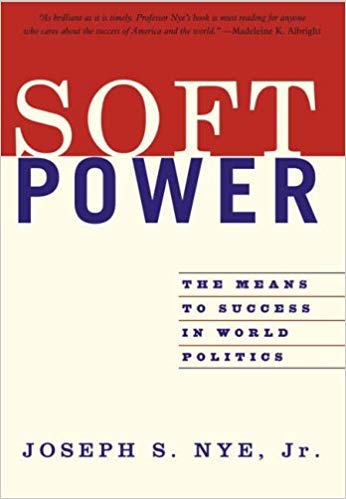
The Banality of Soft Power
In the autumn of 1990, Joseph Nye sought to re-imagine what American power would like in the 21st century. Writing near the end of the Cold War, Nye offered scholars and policy makers a new conceptual framework through which they could understand power dynamics in a changing world. The Cold War would soon be over,... Continue Reading →
Delivering Digital Consular Aid
Traditionally, MFAs (ministries of foreign affairs) have been viewed as organizations that face the world with their back to the nation as they have been responsible for communicating with foreign populations rather than the national citizenry. Thus, unlike ministries of Justice, Homeland Security and Culture, MFAs were never able to foster a domestic constituency putting... Continue Reading →
The Digital Disruption of the Two Level Game
In 1988 Robert Putnam conceptualized diplomacy as a two level game. At the first level lies the world of domestic or national politics. At the second level lies the world of international politics. Putnam argued that these two levels continuously collide with one another. For instance, a government's ability to negotiate treaties is limited given... Continue Reading →