Last month, ‘The Economist’ magazine published an extensive article examining Covid’s impact on the practice of diplomacy. According to the article, the Coronavirus has led to the accelerated digitalization of diplomacy. Once the United Nations Headquarters shut its doors, and as diplomats all over the world found themselves quarantined at home, diplomacy migrated to digital... Continue Reading →
How World Leaders Framed the Climate Crisis
Traditionally, diplomats and world leaders have turned to communication channels in order to frame crises. Specifically, leaders and diplomats aim to identify the cause of a crisis, or the underlying problem that has precipitated a crisis between states. For instance, following the 9/11 terror attacks, President Bush announced that terror groups had declared war on... Continue Reading →
Is it Time to Abandon State-Centric Approaches to Public Diplomacy? Summary of ISA Roundtable
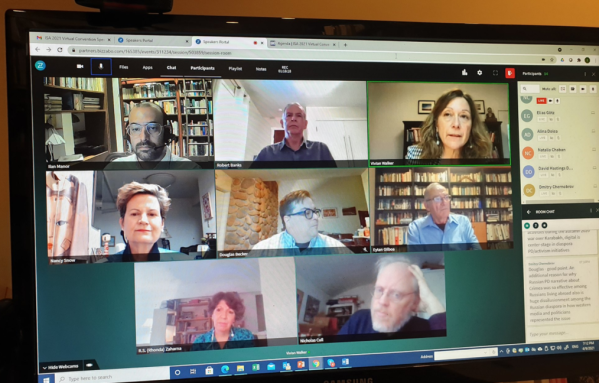
During the 2021 International Studies Association conference (ISA), I had the opportunity to partake in a roundtable Chaired by Nick Cull and Nancy Snow. The two have just recently finished editing the 2020 Routledge Handbook of Public Diplomacy. Authors who contributed to the handbook, including myself, were asked to reflect on how Covid19 has influenced... Continue Reading →
Monday’s Must Read List
Each week, I publish a list of interesting articles, essays and reports that may be of interest to the digital diplomacy community. This week- Hunting the hunters: How Russian hackers targeted US cyber first responders in SolarWinds breach (CNN)Facebook Data on 533 Million Users Reemerges Online for Free (Bloomberg)Here’s how we can strengthen cybersecurity for... Continue Reading →
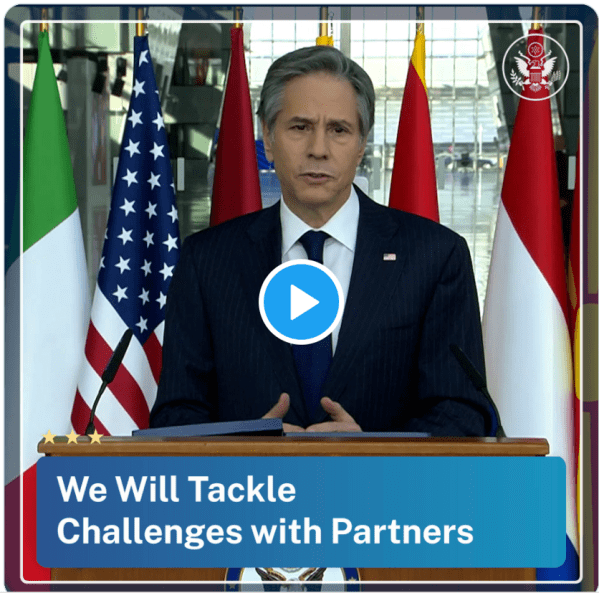
America’s New Rhetoric of Alliances
In a recent article, Guy Golan and I argued that the 21st century will be governed by three giants: The US and China, thanks to their military and financial power, and India thanks to its status as the world’s telecommunications hub. In the world of giants, no single nation will be able to later the... Continue Reading →
Wikipedia is a Digital Diplomacy Priority
By the end of the 18th century, the Palace of Versailles was no longer home to France's greatest thinkers. These had migrated to Paris where they attended the city's salons. French salons were never as ostentatious as those of Versailles, nor as rigid and overburdened with ceremony. The salons were simple parlor gatherings hosted by... Continue Reading →
Sputnik Tweets Its Way to Legitimacy
Now is the age of nostalgia. Throughout the world we are witnessing a yearning desire to return to the world of yesteryear. The UK seeks to return to the Empire’s last stand in WW2. In Eastern Europe, populist leaders promise to resurrect a mythical past while in the West, there are those who long for... Continue Reading →
How MFAs Celebrated International Women’s Day Online
Comment: This post about International Women’s Day was written from a man’s perspective. It is thus highly likely that the analysis in this post would benefit from the insight of women. I encourage women readers to comment on this post and offer their own analysis of the tweets analyzed below. This insight will be integrated... Continue Reading →
Monday’s #MustRead List
Each week, I publish a list of interesting articles, essays and reports that may be of interest to the digital diplomacy community. This week- Here’s a Way to Learn if Facial Recognition Systems Used Your Photos (The New York Times)The tyranny of passwords – is it time for a rethink? (The Guardian) US sets out... Continue Reading →
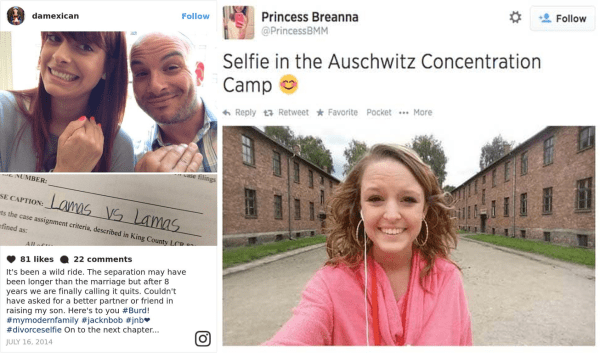
Social Media & Life in the Risk Society
In his book ‘Risk Society’, German Sociologist Ulrich Beck proposes a theory of reflexive modernity. Unlike other sociologists, Beck is far removed from the utopian vision of modernization as the continuous progress of industry and human thought. Namely he is concerned with the role of scientific knowledge in society. In Beck’s mind, scientific and industrial... Continue Reading →