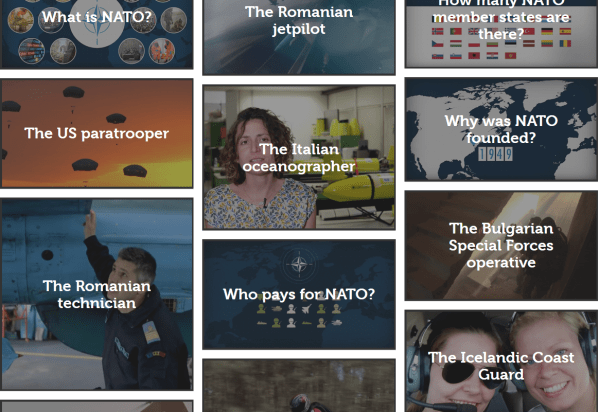
The Crimean Crisis has been regarded as a turning point in the relationship between Western Europe and Russia. The Crisis, which burst onto the scene in December of 2013, saw strongly worded tweets followed by troop convoys, financial sanctions and the expulsion of diplomats. In the wake of the Crisis, governments in Western Europe came... Continue Reading →
Can digital diplomacy skills serve as public diplomacy resources? The case of Brexit
When evaluating the digitalization of public diplomacy, one can segment this process into two stages. The first stage lasted from circa 2007 to 2014. It was during this stage that diplomats and diplomatic institutions began to experiment with digital technologies. In 2007 the Swedish Institute launched one of the world’s first virtual embassies. In 2011... Continue Reading →
How Diplomats Can Combat Digital Propaganda
James Pamment has written that for most of the 20th century the term public diplomacy was associated with the term propaganda. According to the Oxford Dictionary propaganda relates to information, especially of a biased or misleading nature, used to promote a political cause or point of view. During the 21st century, the field of public... Continue Reading →
Who is Winning the #DigitalDiplomacy Competition over the Salisbury Attack?
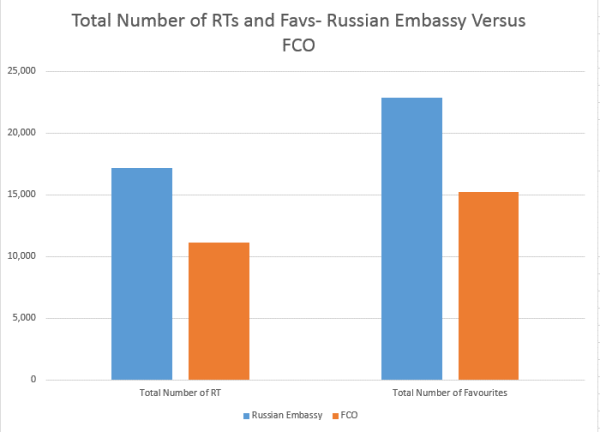
Introduction March 4th saw a nerve agent attack in London that left two people dead. According to the British government, this attack was perpetrated by Russia and constitutes the first nerve agent attack since the end of World War 2. In the hours and days following the attack, the UK government demanded that Russia offer... Continue Reading →
The Social Media Scare
American poet Allen Ginsburg opens his masterpiece, Howl, with the lines I saw the best minds of my generation destroyed by madness, starving hysterical naked, dragging themselves through the negro streets at dawn looking for an angry fix, angel headed hipsters burning for the ancient heavenly connection to the starry dynamo in the machinery of... Continue Reading →
Working Paper- The Contradictory Trends of Digital Diaspora Diplomacy
2017 marks a decade since the advent of “digital diplomacy”. What began as an experiment by a select number of foreign ministries has transformed into routine practice for diplomats and embassies the world over. To mark this occasion, I will be publishing a series of working papers. The goal of this series is to reflect... Continue Reading →
Can the Internet Save Public Diplomacy?
Introduction- Narratives, Narratives, Narratives Several weeks ago I began watching a TV show depicting the lives of vampires in New York City. One of the greatest challenge facing these vampires is their lack of ability to gain acceptance from the human population. As the vampire leader summarized, “we lack a compelling narrative”. This week I... Continue Reading →
The UK as a Russian Battleground State
Since its emergence nearly a decade ago, digital diplomacy has been accompanied by a need to justify its costs. This is due to the fact that senior diplomats and policy makers often regarded digital diplomacy as a fad rather than a strategic tool for achieving foreign policy goals. This negative view of digital tools led... Continue Reading →
Is Post-Reality the Word of the Year in Digital Diplomacy?
In November of 2016, Oxford dictionary proclaimed “Post Truth” the 2016 word of the year. The choice was obviously a reflection of two important political campaigns- Brexit and the US Presidential elections. In both campaigns truth became subservient to political gains while the distinction between fact and fiction eroded. Exaggerations, fabrications and lies became an... Continue Reading →
On the use of images in the diplomatic struggle over Syria
Two weeks ago I published an analysis of the images of Syria used by the British FCO on Twitter. My analysis found that the FCO employs images that resonate with iconic moments from British history. In addition, I found that these images are an integral part of the British narrative of events in Syria. This... Continue Reading →