Images of leaders have always played an important role in politics. Images can capture the supremacy of a king, the daring of a field marshal or the cunning of a shrewd politician. Indeed, Napoleon’s portrait, sitting upon a fiery steed and pointing to the alps, captures his audacity and ambitions. Yet images of world leaders... Continue Reading →
When Auschwitz Goes Digital
Several days ago I reached an important decision- I began following the Auschwitz Memorial on Twitter. That Auschwitz was recommended by the Twitter algorithm is not surprising as much of my digital activities date back to WW2. I often Google battles and skirmishes, view lists of WW2 facts or read Wikipedia pages of prominent Nazis.... Continue Reading →
How External Shocks Alter Digital Diplomacy’s Trajectory
Some academics believe that digital diplomacy has developed in a linear fashion, and that each technological breakthrough (e.g., Facebook, AI) is accompanied by a process of implementation, adaptation and assimilation. Such scholars tend to focus on the attributes of any new technology while uncovering its potential use for diplomats. The fax machine, for instance, reduce... Continue Reading →
Crafting Digital Diplomacy Campaigns: How America’s Iranian Campaign is Backfiring
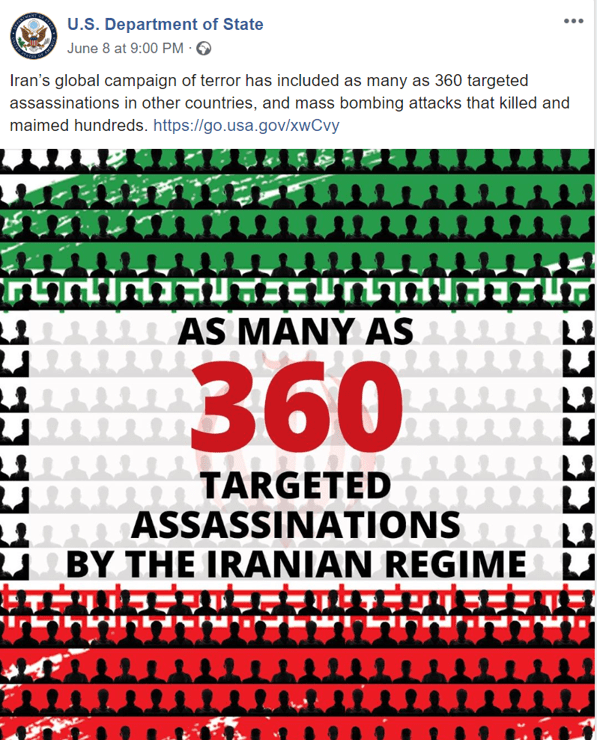
The Value of Facebook Comments When reviewing the US State Department’s Facebook account, it becomes apparent that the Department is in the midst of two digital campaigns. The first focuses on China’s alleged misconduct during the Covid19 outbreak. The second argues that Iran’s nefarious activities in the region, and the world, must be met by... Continue Reading →
Re-Framing China: The Corona Virus and National Images
The Corona pandemic is likely to influence the images of many nations. This is because billions of individuals are stranded at home comparing nations' responses to the virus. Moreover, news organizations throughout the world are constantly reporting on the policies of other nations. Finally, periods of acute crisis can challenge misconceptions and worldviews. Indeed, it... Continue Reading →
What Embassies Tweet About During COVID-19
Diplomacy is not immune to the Covid-19 virus. For the first time since the 17th century, diplomats and world leaders no longer meet face-to-face to address shared challenges or resolve shared grievances. The UN is closed, the WTO is out of session and G7 meetings take place through video conference calls. Embassies, traditionally tasked with... Continue Reading →
The EU’s Digital Response to #COVID19
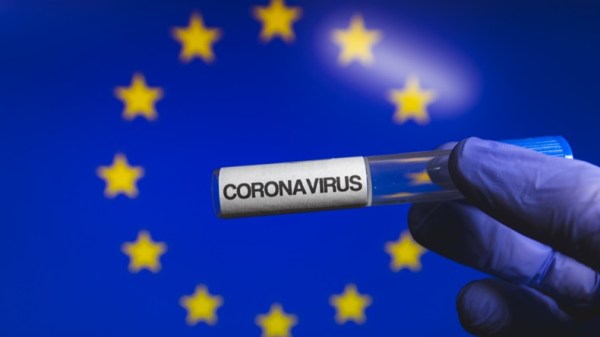
Since it first migrated outside China, the Corona virus has dominated news cycles as pundits offer the public a variety of doomsday scenarios. This was true even before the virus crippled Italy or left many dead in Spain. The Corona virus makes for good ratings for several reasons. First, during the 20th and 21st century... Continue Reading →
The Ethical Limitations of Digital Diplomacy: When MFAs Use Your Data
On January 17th, 2020, the US State Department official launched a Center for Analytics (CfA). According to the State Department website, the center will This unique asset helps U.S. diplomats use analytics to addresses key challenges, such as prioritizing issues for diplomatic engagement and aligning Department resources with U.S. foreign policy priorities… As directed by... Continue Reading →
2019- The Year in Which Digital Diplomacy Research Came of Age
When asked what is the enlightenment, Kant answered “Enlightened is man’s ascension from his self-imposed immaturity”. When reviewing the study of digital diplomacy, 2019 is the year of maturity. In 2015, scholars mainly asked who? Who manages the digital accounts of MFAs/embassies and multi-lateral missions? This was an important question. If digital diplomacy managers were... Continue Reading →
Increasing ROI in Digital Diplomacy
In recent years, digitalization has swept through diplomatic institutions altering diplomats’ working routines, norms, values and working procedures. In less than a decade, Ministries of Foreign Affairs (MFA) have migrated to social media, launched virtual embassies, written algorithms, created smartphone applications and conducted consular simulations. Some MFAs have been able to invest substantial resources in... Continue Reading →