Introduction Over the past year, a growing number of scholars, diplomats and journalists have reflected on the growing importance of algorithms to the conduct of diplomacy. Some MFAs now employ algorithms to analyze online discourse in foreign countries in an attempt to anticipate civil unrest. Likewise, algorithms are used to identify relevant audiences for public... Continue Reading →
Gaza’s Selfie: When the national meets the international
For the past 8 years, the Gaza strip has existed as an island entire onto itself. Physically it is cut off from the rest of the world by an Israeli and Egyptian blockade. Politically it is isolated from the West Bank as it is ruled by the Hamas Party and not the PLO. Diplomatically it... Continue Reading →
Can Monarchs’ Twitter accounts serve as a public diplomacy medium?
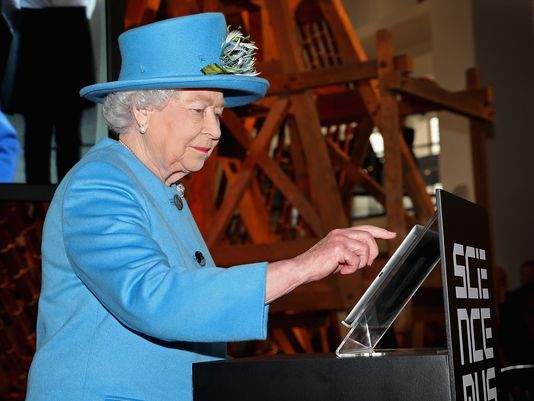
The end of World War 2 saw the decline and ultimate abolition of most European Monarchies. By 1945, the majority of European nations had either exiled their Monarch or transitioned towards various forms of constitutional Monarchies. Yet while the remaining Monarchs may have lost their hard power resources (i.e., their status as sovereigns) they soon... Continue Reading →
Do US candidates for the Presidency attract diplomats on Twitter?
On the 23rd of July, Donald Trump accepted the Republican nomination for the Presidency of the United States. This week Hillary Clinton is likely to be chosen at the Democratic nominee for the Presidency. While it is true that national elections often draw attention from foreign countries and governments, no election is as closely monitored... Continue Reading →
Turkey Launches #DigitalDiplomacy Blitz
During the night of Friday the 15th of July, as Turkish soldiers attempted to stage a coup and oust the Turkish government, MFAs and diplomats were slow to comment on events. By the time official statements were issued by the State Department or Downing 10, social media networks were flooded with images and video of... Continue Reading →
How to contend with social media violence? Three challenges facing online diplomats
On June 9th 2016, Hillary Clinton's campaign shot back at Donald Trump. In a "tweet heard around the world", Clinton advised Trump to delete his Twitter account after the Billionaire attacked President Obama for endorsing Clinton. Many congratulated Clinton for this attack which was viewed as a testament to her determination and strength. Others saw... Continue Reading →
#AskNetanyahu- A Wasted Opportunity?
Scholars of digital diplomacy often criticize diplomats for not realizing the potential of social media to stimulate conversation with online publics. Indeed I have often advocated the use of Twitter, Facebook and other platforms for conversing with online publics that are opinionated, well informed and clamoring to be heard. One method of stimulating conversations between... Continue Reading →
The Rules of Engagement: Why MFAs Should Engage with Social Media Followers
Over the past two weeks I have published posts dealing with issues that arouse in Israel's 1st Digital Diplomacy Conference held earlier this year in Tel Aviv. This week's post offers insight into an additional issue that was debated by scholars and practitioners who attended the conference- diplomats' need to engage with social media followers.... Continue Reading →
Digital Diplomacy in the Age of Algorithms
Last week I published the first in a series of posts dealing with issues that arose in the recent Digital Diplomacy Conference held in Tel Aviv. While last week I blogged about digital diplomacy that is targeted at domestic populations, this week's post will deal with another issue that arouse at the conference- diplomacy in... Continue Reading →
Is Digital Diplomacy Really Domestic Diplomacy?
On the 30-31 of March of 2016, the Israeli Foreign Ministry and the University of Tel Aviv co-hosted Israel's first digital diplomacy conference. Alongside representatives from 20 foreign ministries, and leading academics from the fields of communication, international relations and diplomacy, we endeavored to further investigate the term "digital diplomacy". Over the next few weeks,... Continue Reading →