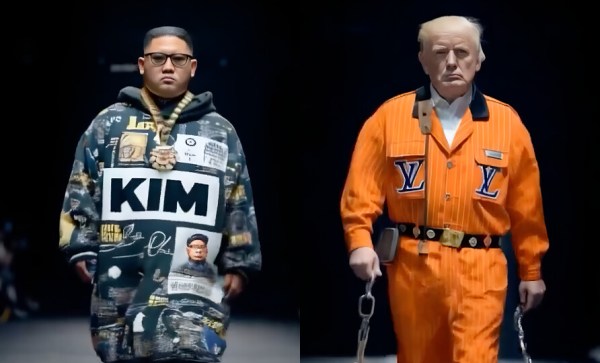
On July 21st, Elon Musk shared a tweet featuring an AI-generated fashion show of world leaders. The AI fashion show soon went viral, given the satirical depiction of world leaders and due to its realistic appearance. Although the fashion show was clearly generated by AI, the video did demonstrate the extent to which this technology... Continue Reading →
Selfie Diplomacy- Analyzing Profile Pictures of Leaders on Twitter
Studies have shown that profile pictures on social media serve two main functions. The first is the creation of an online identity. SNS users employ their profile picture to construct an identity and to communicate that identity to their online communities. Through images users can express their beliefs and values and identify the political movements... Continue Reading →
Trump is back. Sort Of.
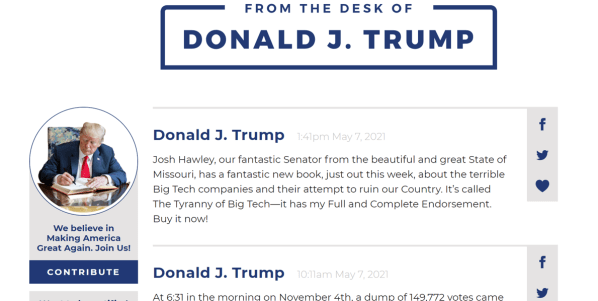
Last week, Facebook’s oversight board ruled that the company was right to suspend former President Donald Trump. According to the oversight board, Trump used his account to praise violent rioters that stormed Congress on January 6th. However, the oversight board did call on Facebook to re-examine its decision to ban Trump ‘indefinitely’. Notably, Facebook’s oversight... Continue Reading →
How World Leaders Framed the Climate Crisis
Traditionally, diplomats and world leaders have turned to communication channels in order to frame crises. Specifically, leaders and diplomats aim to identify the cause of a crisis, or the underlying problem that has precipitated a crisis between states. For instance, following the 9/11 terror attacks, President Bush announced that terror groups had declared war on... Continue Reading →
The Silencing of an American President
On January 6th, 2021, riots broke out in Washington D.C. as an angry mob stormed the US Capitol. Though the rioters bore a striking resemblance to the inhabitants of trailer parks in Florida, scenes of armed and furious men seizing control of America’s seat of government shocked the nation, and the world. Some went as... Continue Reading →
What Can Cultural Theory Tell Us About Trump’s Populist Public Diplomacy the Digital Age?
Paweł Surowiec (University of Sheffield) and Chris Miles (Bournemouth University) During the Cold War, the categorisation between ‘high’ and ‘low’ politics, mirrored by 'high' and 'low' cultures, was distinguishable as a trend in public diplomacy. These distinctions became blurred and, in the early 2000s, a new trend emerged whereby ‘high’ politics began borrowing from 'low'... Continue Reading →
Between National Brands and Leaders’ Brands
Last week British consultancy firm Portland Communications published its yearly Soft Power Index. The Index soon garnered global media attention as France ranked first trouncing America which had to settle for third place. According to Jonathan McClory, author of the Soft Power 30 report, France advanced to the first place thanks, in part, to the... Continue Reading →
What’s in a Tweet? The Case of Benjamin Netanyahu and the Mexican Wall
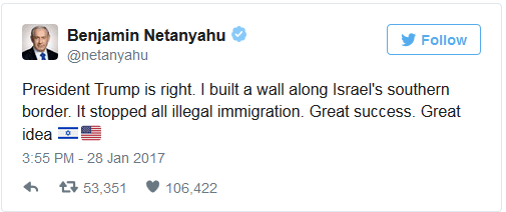
Yesterday evening I was interviewed on an Israeli radio show regrading a recent tweet published by Israeli Prime Minister Benjamin Netanyahu. In this tweet the PM argued in favour of the construction of a wall between the US and Mexico. As usual, I was asked “What’s in a Tweet?”, or how much information can we... Continue Reading →
Do World Leaders attract #digital diplomats? 2016 analysis
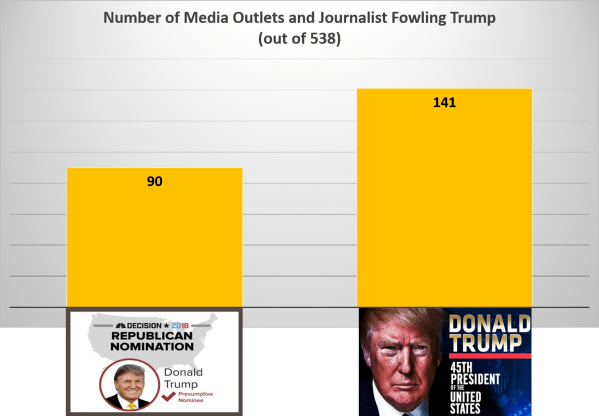
Two weeks ago I evaluated the extent to which Donald Trump has been able to attract diplomats, MFAs, embassies and foreign affairs journalists to his Twitter account. My analysis suggested that most digital diplomats, and diplomatic institutions, do not follow Trump online. This week, I decided to expand my analysis and see if world leaders... Continue Reading →
Has Donald Trump Obtained Digital Diplomatic Recognition?
Several weeks before the 2016 US elections, I analysed the extent to which Presidential candidates attract digital diplomacy followers. To do, I evaluated the number of Twitter followers Hillary Clinton and Donald Trump attracted from five epistemic communities: MFAs, UN missions in NY and Geneva, Multi-Lateral organizations and foreign affairs journalists. My results showed that... Continue Reading →