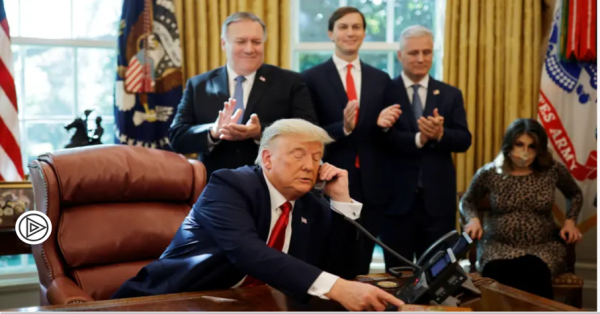
Each week, I publish a list of interesting articles, essays and reports that may be of interest to the digital diplomacy community. This week- Students Bridging Diplomatic Divide Through Video Games (KPBS)The Time for Tech Diplomacy is Now (The Cipher Brief)Diplomacy's Response to Covid's Existential Threat (The Times of Israel)Here's How Biden Will Work With... Continue Reading →
Crafting Digital Diplomacy Campaigns: How America’s Iranian Campaign is Backfiring
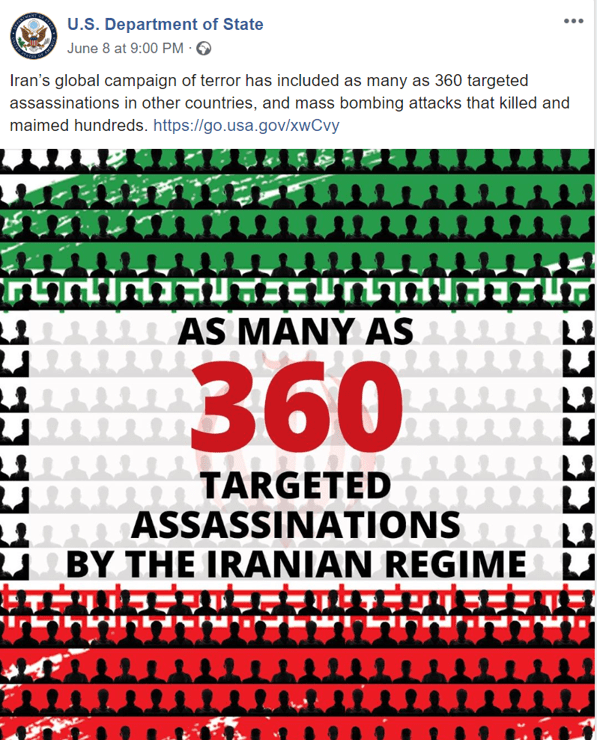
The Value of Facebook Comments When reviewing the US State Department’s Facebook account, it becomes apparent that the Department is in the midst of two digital campaigns. The first focuses on China’s alleged misconduct during the Covid19 outbreak. The second argues that Iran’s nefarious activities in the region, and the world, must be met by... Continue Reading →
The Ethical Limitations of Digital Diplomacy: When MFAs Use Your Data
On January 17th, 2020, the US State Department official launched a Center for Analytics (CfA). According to the State Department website, the center will This unique asset helps U.S. diplomats use analytics to addresses key challenges, such as prioritizing issues for diplomatic engagement and aligning Department resources with U.S. foreign policy priorities… As directed by... Continue Reading →
2019- The Year in Which Digital Diplomacy Research Came of Age
When asked what is the enlightenment, Kant answered “Enlightened is man’s ascension from his self-imposed immaturity”. When reviewing the study of digital diplomacy, 2019 is the year of maturity. In 2015, scholars mainly asked who? Who manages the digital accounts of MFAs/embassies and multi-lateral missions? This was an important question. If digital diplomacy managers were... Continue Reading →
The Downside of Digital Diplomacy: Life in the Age of Constant Surveillance
Philosophers and political theorists have argued that the goal of every society is complete control. This is also true of democratic societies and herein lies the tension of every democracy. That a government is elected by people to manage its affairs. Yet soon that very government strives to control its citizenry. Free people thus freely... Continue Reading →
Should Diplomats Pay More Attention to Publics’ Online Knowledge Voyage?
Two years ago the Dutch Foreign Ministry held a Digital Diplomacy Camp. Over the course of two days, the Camp offered a platform for diplomats, journalists, scholars and representatives of social media companies eager to discuss the digitalization of diplomacy. In one session, Jay Wang of the USC Center on Public Diplomacy reflected on online... Continue Reading →
The Banality of Soft Power
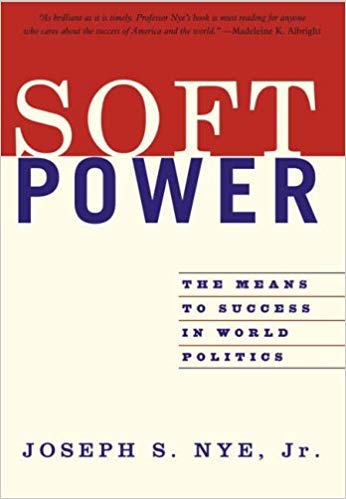
In the autumn of 1990, Joseph Nye sought to re-imagine what American power would like in the 21st century. Writing near the end of the Cold War, Nye offered scholars and policy makers a new conceptual framework through which they could understand power dynamics in a changing world. The Cold War would soon be over,... Continue Reading →
An Act of Digital Disobedience? When U.S. Embassies Raised the Pride Flag
Over the past week, several newspapers have published stories focusing on the activities of U.S. embassies during Pride Month. Specifically, these stories have dealt with the creative ways in which some embassies hoisted the rainbow flag during Pride Month. Unlike the Obama era, the Trump administration has banned the use of the rainbow flag thus preventing... Continue Reading →
Persoan Grata- An Interview with the Israeli MFA
This week I was interviewed for the Israeli MFA's podcast on digital diplomacy- Persona Grata. In this special episode of Persona Grata I talked with Yiftah Curiel who heads the Israel MFA's Digital Diplomacy department which manages more than 30 social media channels in 5 languages including English, Arabic, Farsi, Spanish, Russian and Hebrew. We discussed... Continue Reading →
What Is The Role of Humor in Digital Diplomacy?
The past two years have seen the growing use of humor and satire in digital diplomacy. Memes, GIFs, pop references and BLOCK CAPITALS have become another instrument in the diplomatic toolkit. One of the earliest successful uses of humor in digital diplomacy occurred during the Crimea Crisis of 2014 when the Canadian Mission to NATO... Continue Reading →