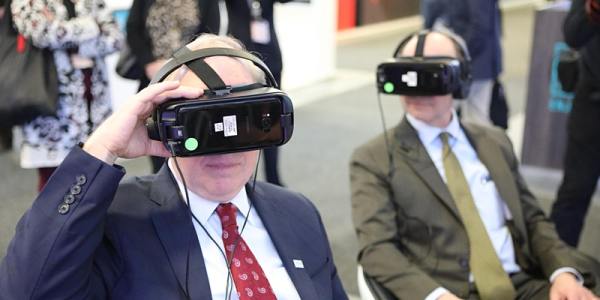
The rapid development of AI tools has caused a frenzy in foreign ministries (MFAs) as diplomats across the world are trying to identify the risks and benefits brought about by artificial intelligence tools such as ChatGPT, Mistral, Claude, Gemini and DeepSeek. Diplomats’ attempts to grapple with the professional and societal ramifications of AI has taken... Continue Reading →
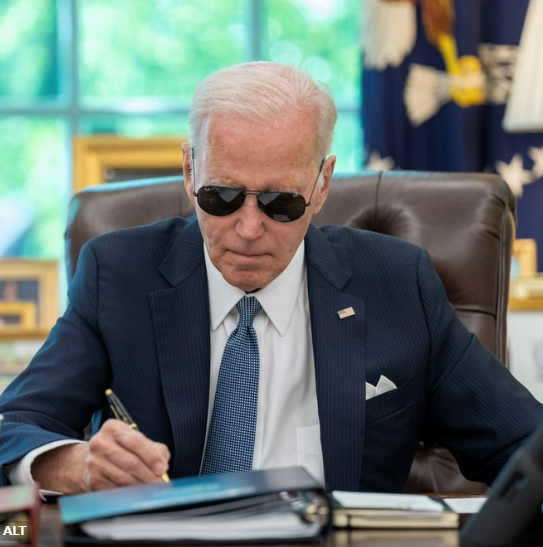
The Old Man? Biden’s Digital Branding
A brand may be considered as a set of associations that are elicited by a product or company. For example, when people see the Apple company logo certain associations come to mind be it “slick design”, “innovation” or “expensive”. The logo of the clothing company H&M elicits a different set of associations including “young”, “affordable”... Continue Reading →
This is Russia: Satire and Attribution in the Russia Ukraine War
On Thursday, July 28th, a video supposedly touting the benefits of moving to Russia began to gain traction on Telegram. Titled “This is Russia”, the video identifies the many benefits of moving to Russia at this moment in time. For instance, unlike Europe or America, Russia currently boasts cheap gas, fertile soil, low-priced electricity, delicious... Continue Reading →
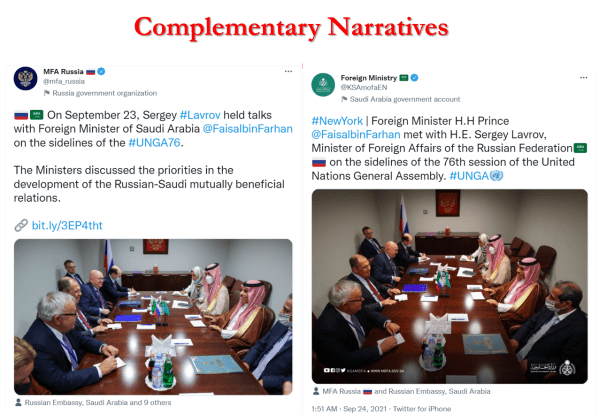
Image Management at the UN General Assembly: The Russian Case Study
It’s that time of the year again. A time of expectation and jubilation. A time of press junkets and photobombs. A time of pomp and circumstance and a time of high level negotiations. It’s the time of the UN’s annual General Assembly when leaders, foreign ministers and diplomats swarm to New York to redraw borders,... Continue Reading →
Leveraging Big Data During Pandemics
Last week I had the opportunity to interview a software analyst working for one of the world’s most popular search engines. The analyst is part of a crisis response unit whose main task is to offer answers to Covid related queries. To do so, the crisis response team must gather reliable information from all over... Continue Reading →
Re-Framing China: The Corona Virus and National Images
The Corona pandemic is likely to influence the images of many nations. This is because billions of individuals are stranded at home comparing nations' responses to the virus. Moreover, news organizations throughout the world are constantly reporting on the policies of other nations. Finally, periods of acute crisis can challenge misconceptions and worldviews. Indeed, it... Continue Reading →
The Banality of Soft Power
In the autumn of 1990, Joseph Nye sought to re-imagine what American power would like in the 21st century. Writing near the end of the Cold War, Nye offered scholars and policy makers a new conceptual framework through which they could understand power dynamics in a changing world. The Cold War would soon be over,... Continue Reading →
From Digital Tactics To Digital Strategies: Practicing Digital Public Diplomacy
Note: This post was co-written with Prof. Corneliu Bjola and first appeared on the USC Center for Public Diplomacy Blog On the 1st and 2nd of February 2017, the Oxford Digital Diplomacy Research Group (DigDiploRox) took part in The Hague Digital Diplomacy Camp. Organized by the Dutch Foreign Ministry, the Camp sought to explore the... Continue Reading →
The Digital Disruption of the Two Level Game
In 1988 Robert Putnam conceptualized diplomacy as a two level game. At the first level lies the world of domestic or national politics. At the second level lies the world of international politics. Putnam argued that these two levels continuously collide with one another. For instance, a government's ability to negotiate treaties is limited given... Continue Reading →
America’s Selfie in the Age of Trump
Note: This post first appeared on the Global Policy website For over a decade the State Department has relied on social media sites to counter extremist narratives, engage in conversation with foreign publics and shape the global diplomatic agenda. Importantly, the State Department also uses social media to manage America's global image. The need to... Continue Reading →