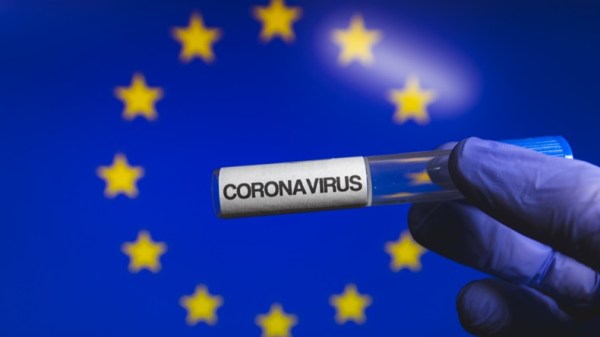
Since it first migrated outside China, the Corona virus has dominated news cycles as pundits offer the public a variety of doomsday scenarios. This was true even before the virus crippled Italy or left many dead in Spain. The Corona virus makes for good ratings for several reasons. First, during the 20th and 21st century... Continue Reading →
The Ethical Limitations of Digital Diplomacy: When MFAs Use Your Data
On January 17th, 2020, the US State Department official launched a Center for Analytics (CfA). According to the State Department website, the center will This unique asset helps U.S. diplomats use analytics to addresses key challenges, such as prioritizing issues for diplomatic engagement and aligning Department resources with U.S. foreign policy priorities… As directed by... Continue Reading →
2019- The Year in Which Digital Diplomacy Research Came of Age
When asked what is the enlightenment, Kant answered “Enlightened is man’s ascension from his self-imposed immaturity”. When reviewing the study of digital diplomacy, 2019 is the year of maturity. In 2015, scholars mainly asked who? Who manages the digital accounts of MFAs/embassies and multi-lateral missions? This was an important question. If digital diplomacy managers were... Continue Reading →
Increasing ROI in Digital Diplomacy
In recent years, digitalization has swept through diplomatic institutions altering diplomats’ working routines, norms, values and working procedures. In less than a decade, Ministries of Foreign Affairs (MFA) have migrated to social media, launched virtual embassies, written algorithms, created smartphone applications and conducted consular simulations. Some MFAs have been able to invest substantial resources in... Continue Reading →
The Banality of Soft Power
In the autumn of 1990, Joseph Nye sought to re-imagine what American power would like in the 21st century. Writing near the end of the Cold War, Nye offered scholars and policy makers a new conceptual framework through which they could understand power dynamics in a changing world. The Cold War would soon be over,... Continue Reading →
On Digital Attrition: Is Trump Losing His Twitter War?
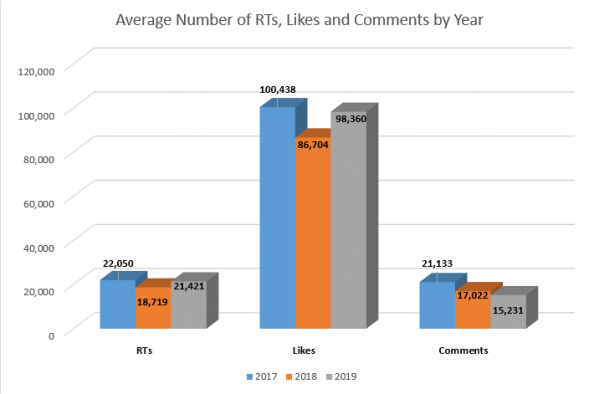
Trump Triumphs? During the 2016 Presidential elections, Donald Trump argued that he relied on his Twitter account to bypass the liberal American media and communicate directly with the American public. Having been denied access to the public sphere by newsroom elites, “the Donald” used social media win over the American electorate. Some have asserted that... Continue Reading →
The Digital Trial of Ivanka Trump
It began with a necklace. A diamond necklace to be precise. It was purchased from two Jewish jewellers on behalf of the French Queen Marie Antoinette in 1785. The necklace, comprised of 647 stones, and weighing 2,800 carats, never made it to the Queen. Rather, it fell into the hands of a charlatan women who... Continue Reading →
An Act of Digital Disobedience? When U.S. Embassies Raised the Pride Flag
Over the past week, several newspapers have published stories focusing on the activities of U.S. embassies during Pride Month. Specifically, these stories have dealt with the creative ways in which some embassies hoisted the rainbow flag during Pride Month. Unlike the Obama era, the Trump administration has banned the use of the rainbow flag thus preventing... Continue Reading →
The age of conspiracies: Why are Conspiracy Theories Flourishing Online?
Now is the age of conspiracies. Throughout the world, the mass dissemination and belief in conspiracy theories seems to be on the rise. These were especially visible during the 2016 Presidential elections as some argued that climate change was a Chinese invention meant to weaken the West, that Barack Obama was not born in the... Continue Reading →
Persoan Grata- An Interview with the Israeli MFA
This week I was interviewed for the Israeli MFA's podcast on digital diplomacy- Persona Grata. In this special episode of Persona Grata I talked with Yiftah Curiel who heads the Israel MFA's Digital Diplomacy department which manages more than 30 social media channels in 5 languages including English, Arabic, Farsi, Spanish, Russian and Hebrew. We discussed... Continue Reading →