Cultural appropriation, a term now heard often in media and academic discourse, is defined as “the inappropriate or unacknowledged adoption of an element or elements of one culture or identity by members of another culture or identity. This can be especially controversial when members of a dominant culture appropriate from minority cultures”. The advent of... Continue Reading →
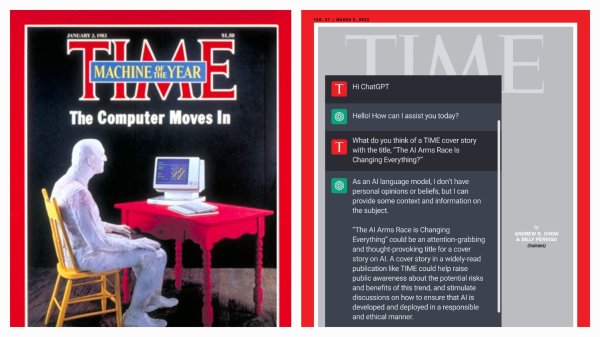
The AI Moves In: ChatGPT’s Impact on Digital Diplomacy
In 1982, Time Magazine’s cover depicted a man sitting opposite a computer screen. The headline read “The Computer Moves In”. Time’s cover captured a pivotal civilizational moment, as the introduction of the personal computer would lead to the creation of a new society- a digital society complete with its own logics, norms, values and laws... Continue Reading →
Monday’s Must Read List
Each week, I publish a list of interesting articles, essays and reports that may be of interest to the digital diplomacy community. This week- Researchers warn of rise in extremism online after Covid (BBC News) The Illusion of Controls (Foreign Affairs) UK spy agency had to ‘pre-bunk’ Russian propaganda over Ukraine war, GCHQ boss says... Continue Reading →
Ukraine’s Unique Approach to Celebrity Diplomacy
Celebrity diplomacy is not a new phenomenon. For many decades, multilateral institutions such as UNICEF (United Nations International Emergency Children’s Fund) have relied on celebrities to increase awareness to important causes and raise funds. Other times celebrities join NGOs to promote specific causes ranging from alleviating poverty in Africa to helping child soldiers rejoin society.... Continue Reading →
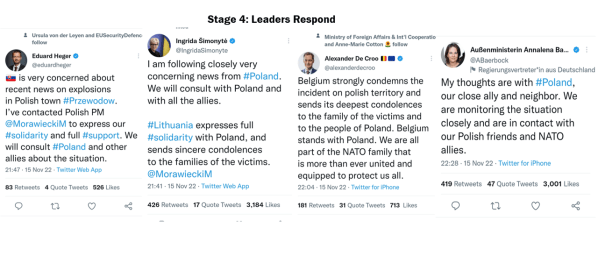
Real Time Diplomacy During the Russia Ukraine War
In 2012, Philip Seib published the book “Real-Time Diplomacy”. Seib argued that digital technologies in general, and social media in particular, had expedited the practice of diplomacy. The reason for this was the acceleration in news coverage made possible thanks to the emergence of citizen journalism. Seib viewed social media as a competitive arena in... Continue Reading →
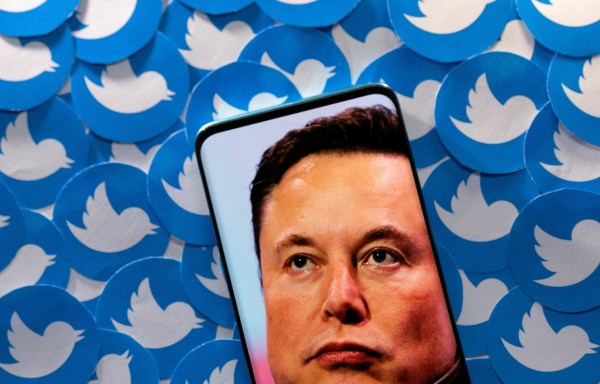
The Decline and Fall of Twitter? Social Media and the Future of Digital Diplomacy
Denial, anger, bargaining, depression and acceptance. These are the five stages of grief according to Elisabeth Kubler-Ross, and the five emotions expressed by Twitter users since the social network was acquired by Elon Musk. It began with denial, specifically promises by Twitter executives and Musk himself that the social network would remain a vibrant town... Continue Reading →
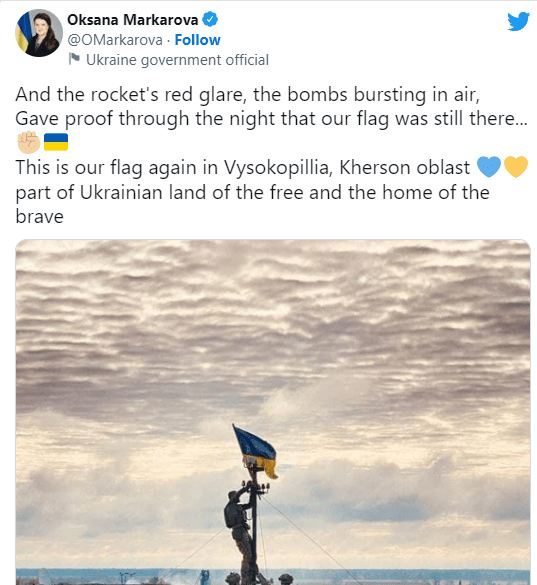
From Targeting to Tailoring: The Case of Ukraine’s Ambassador to the US
The practice of digital diplomacy has altered considerably since its inception in the wake of the 9/11 terrorist attack. Early digital diplomacy initiatives focused on using virtual platforms to overcome the limitations of traditional diplomacy. For instance, in 2008 Sweden launched the world’s first virtual Embassy in the online world of Second Life. This Embassy... Continue Reading →
Monday’s Must Read List
Each week, I publish a list of interesting articles, essays and reports that may be of interest to the digital diplomacy community. This week- Floppy disks in Japan: Minister declares war on old-fashioned technology (BBC News) How Queen Elizabeth embraced new technologies during her reign (National Geographic) Russians will be able to buy the iPhone... Continue Reading →
New Working Paper: Analyzing Russia’s Selfie Diplomacy
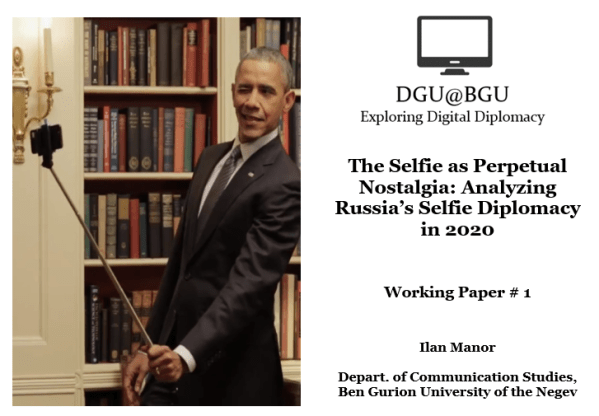
This week I have published a new working paper examining Russia's practice of 'Selfie Diplomacy' during 2020-2021. The Working paper begins by discussing why nostalgia is such a common sentiment in todays' world, arguing that nostalgia is an attempt to force logic onto an incoherent world. Next, the working paper examines the Selfie and asserts... Continue Reading →
Monday’s Must Read List
Each week, I publish a list of interesting articles, essays and reports that may be of interest to the digital diplomacy community. This week – Perils of Preaching Nationalism Play Out on Chinese Social Media (The New York Times) UK Parliament closes TikTok account after China data warning (BBC News)Corruption is sending shock waves through... Continue Reading →