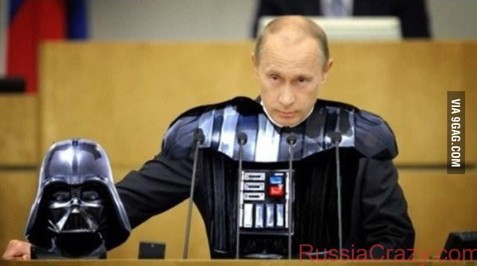
According to Roland Barthes, texts can never be wholly original. Every text, or cultural product, references, borrows or speaks to a prior one. This is especially true of visuals such as films, adverts and posters that “borrow” from other texts in terms of style, color, composition, angle and even actors being depicted. A popular example... Continue Reading →
The Factors that have Shaped Digital Diplomacy
2026 marks a decade since the publication of the first book on digital diplomacy. Since then, the digital diplomacy research corpus has extensively grown and now includes hundreds of books, book chapters, academic essays and journal articles. A review of this entire corpus suggests that the practice of digital diplomacy has been shaped and reshaped... Continue Reading →
A New Roadmap for the Study of Digital Diplomacy
Throughout the 1980s, historian Eric Hobsbawm delivered a series of lectures examining the work of historians and the state of social history, his chosen discipline. Hobsbawm’s lectures coincided with tectonic shifts in global politics and rapid technological advancements as this decade witnessed the end of the Cold War, the false promise of neo-liberalism championed by... Continue Reading →
The Case for Domestic Digital Diplomacy
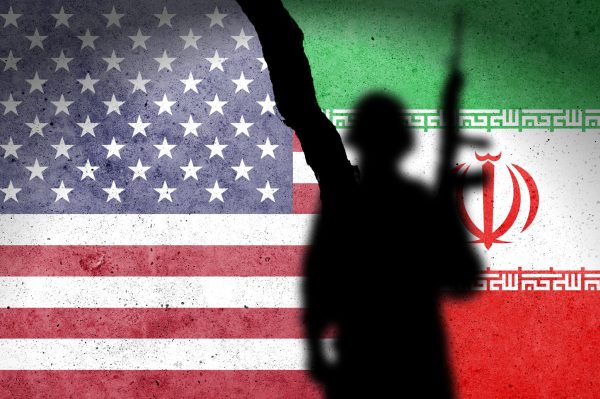
The past four days have seen the onset of a new crisis in the Middle East following a coordinated U.S.-Israeli attack on Iran. The present crisis in the region is emblematic of 21st-century crises in three ways. First, the present crisis has engulfed the region, with Iran firing ballistic missiles and drones at Saudi Arabia,... Continue Reading →
The Long Road Ahead: Assessing the Impact of Ukraine’s Innovative Digital Tactics
Since the onset of the 2022 Russia-Ukraine War, the government of Ukraine has relied heavily on social media to narrate war related events, shape media coverage of the war, rally online support for Ukraine’s war effort and delegitimize Russia’s violent invasion. In a recent journal article, Moran Yarchi and I sought to examine Ukraine’s innovative... Continue Reading →
Tactical Diplomacy: The Next Stage in Diplomacy’s Digitalization
Digital diplomacy is now entering its third decade. Having emerged circa 2008 with the establishment of virtual embassies in virtual worlds, digital diplomacy now includes the use of diverse technologies ranging from social media to messaging applications, blogs, smartphone applications, big data analysis, coding, websites, and even crowdfunding, as recently used by Ukraine. For policymakers,... Continue Reading →
AI Guardrails as the New Censors of Democratic Debate
In recent months, a growing number of news articles have focused on the practice of prompt busting- a technique used to overcome AI guardrails. According to ChatGPT, guardrails are “rules, systems, and safeguards built into an artificial intelligence model to ensure that it behaves safely, ethically, and reliably.” The goal of prompt busting is to... Continue Reading →
In the Digital World, MFAs Must Change
The digitalization of diplomacy has led to profound changes in MFAs (ministries of foreign affairs) across the world. This change has structural, normative, and practical dimensions. Structurally, most MFAs now have digital units tasked with authoring digital content and analyzing the social media output of other actors. In many MFAs, social media is used as... Continue Reading →
How Different AIs Frame America’s Support for Ukraine
In a previous blog post, I sought to examine a possible Country-of-Origin Effect in Generative AI applications. In the late 1990’s nation branding scholars began exploring the Country-of-Origin Effect. Rooted in marketing research, the Country-of-Origin Effect suggested that consumer labels impact individuals’ willingness to buy products. For example, the “Made in China” label was once... Continue Reading →
AI’s Country of Origin Effect
Power is often defined as the ability to direct or influence the behavior of others or the course of events. An interesting question is whether AI has power and how this power is exercised. One way in which the power of AI may be conceptualized is the ability of Generative AIs such as ChatGPT to... Continue Reading →