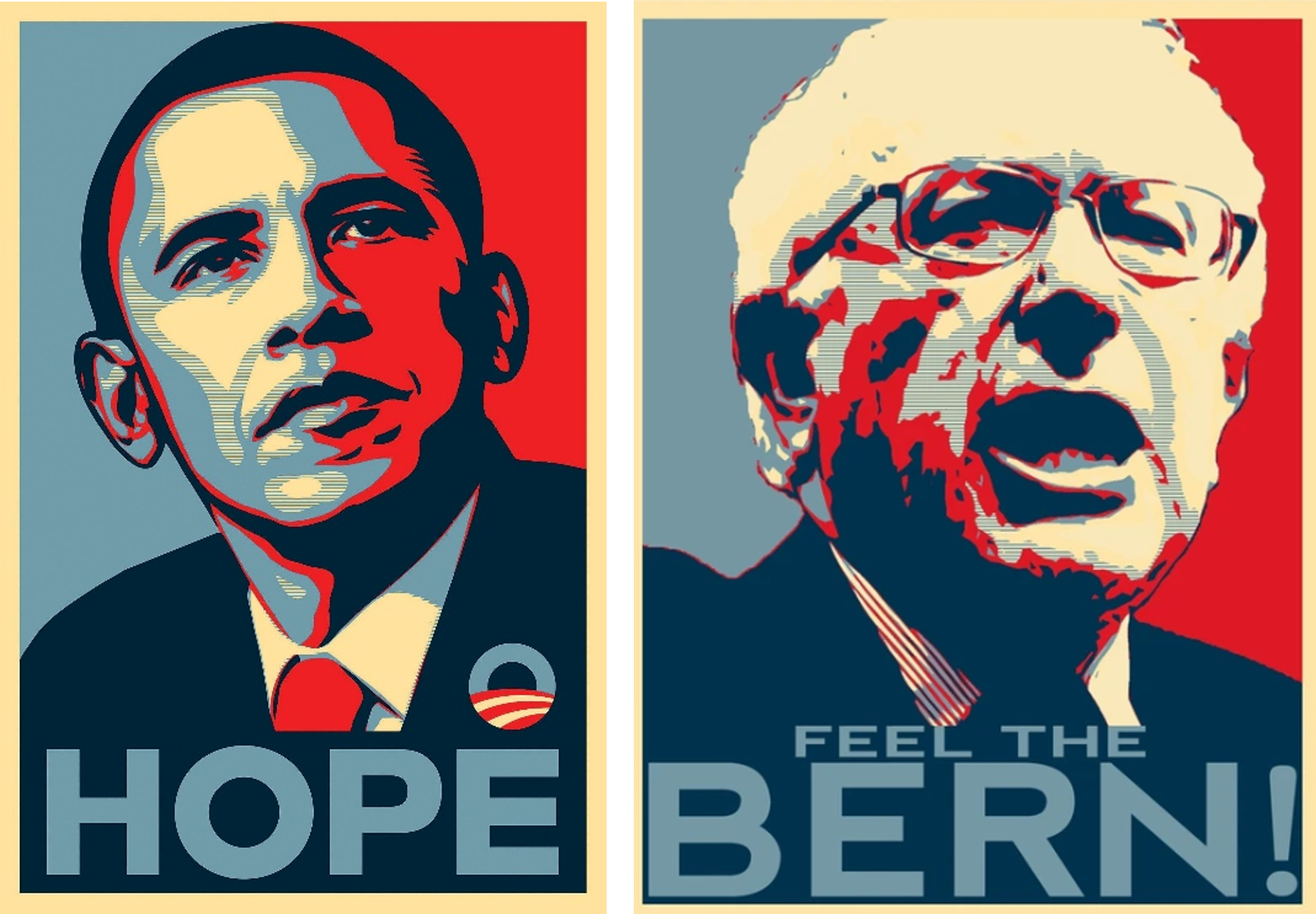
According to Roland Barthes, texts can never be wholly original. Every text, or cultural product, references, borrows or speaks to a prior one. This is especially true of visuals such as films, adverts and posters that “borrow” from other texts in terms of style, color, composition, angle and even actors being depicted. A popular example is the slew of online images that references the 2008 Barack Obama “Hope” poster. Barthes refers to this as “intertextuality” suggesting that the meaning of an image emerges through past recognition. Viewers understand a new visual because it echoes or references a previous one.
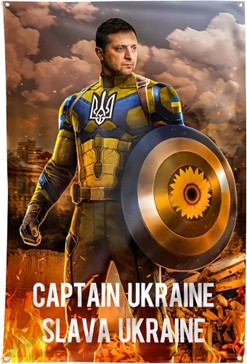
Such is the case with political memes that borrow from popular culture. The Ukrainian government has for some time relied on pop culture memes to narrate the War with Russia as an epic struggle between good and evil similar to Marvel films or fantasy trilogies such as The Lord of the Rings. By referencing pop culture, these visuals deliver a new meaning, one that cannot be fully understood without previous knowledge. A social media user who has never seen Marvel films will be baffled by a meme depicting Ukrainian President Zelenskyy as “Captain Ukraine”, a clear reference to Captain America.
In recent months, two important social media trends have collided to create a new form of “Synthetic Intertextuality”. The first is the growing a-social nature of social media. Across age groups, individuals are sharing less content online. The age of constant “sharing” and Selfies has been replaced with a new age of selective exposure as users share personal content with small groups of friends through Instagram stories or WhatsApp groups. The second is individuals’ use of Generative AI to create new visuals through which they comment on world events. Social media such as Twitter, Facebook and Instagram are awash with AI-generated visuals which comment on trending news stories, national politics and international affairs. The new social is thus inherently Synthetic or created through AI generators.
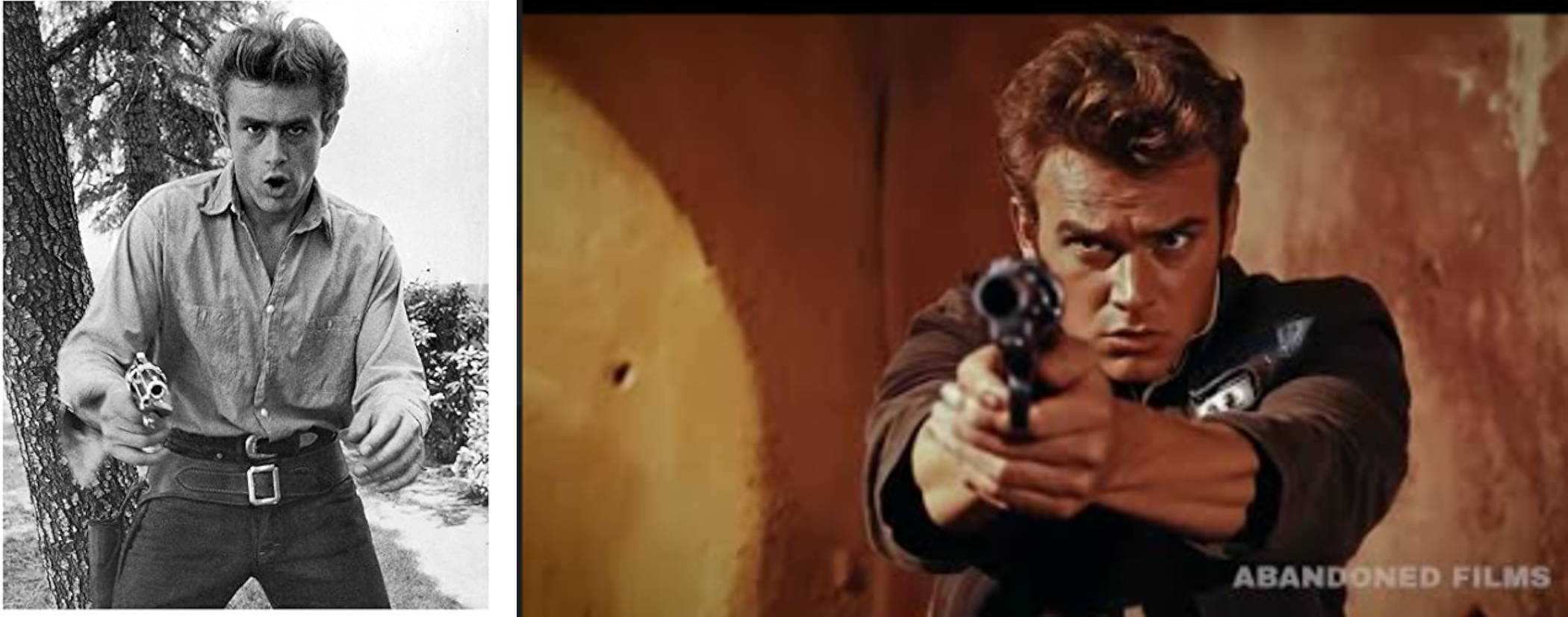
What is especially important is that many of these visuals rest on intertextuality. That is, they reference, echo or quote previous visuals. One example of Synthetic Intertextuality is the use of AI to reimagine popular films in different eras. Such is the case with the Synthetic visual below imagining Star Wars as a 1950’s film saga, or The Lord of the Rings as 80’s science fiction hits. These visuals all rely on users’ familiarity with former texts to make sense of new ones. Star Wars can only be reimagined as a 1950’s saga if one is familiar with the aesthetic of that decade, the style and composition of 1950 movie posters, the iconography of the 50’s including Hollywood stars like James Dean and Elizabeth Taylor and even the cinematography of that period. Without such knowledge, the Star Wars images below remain black boxes, or beyond comprehension.
Star Wars in the 1950s/ Lord of the Rings in the 1980s
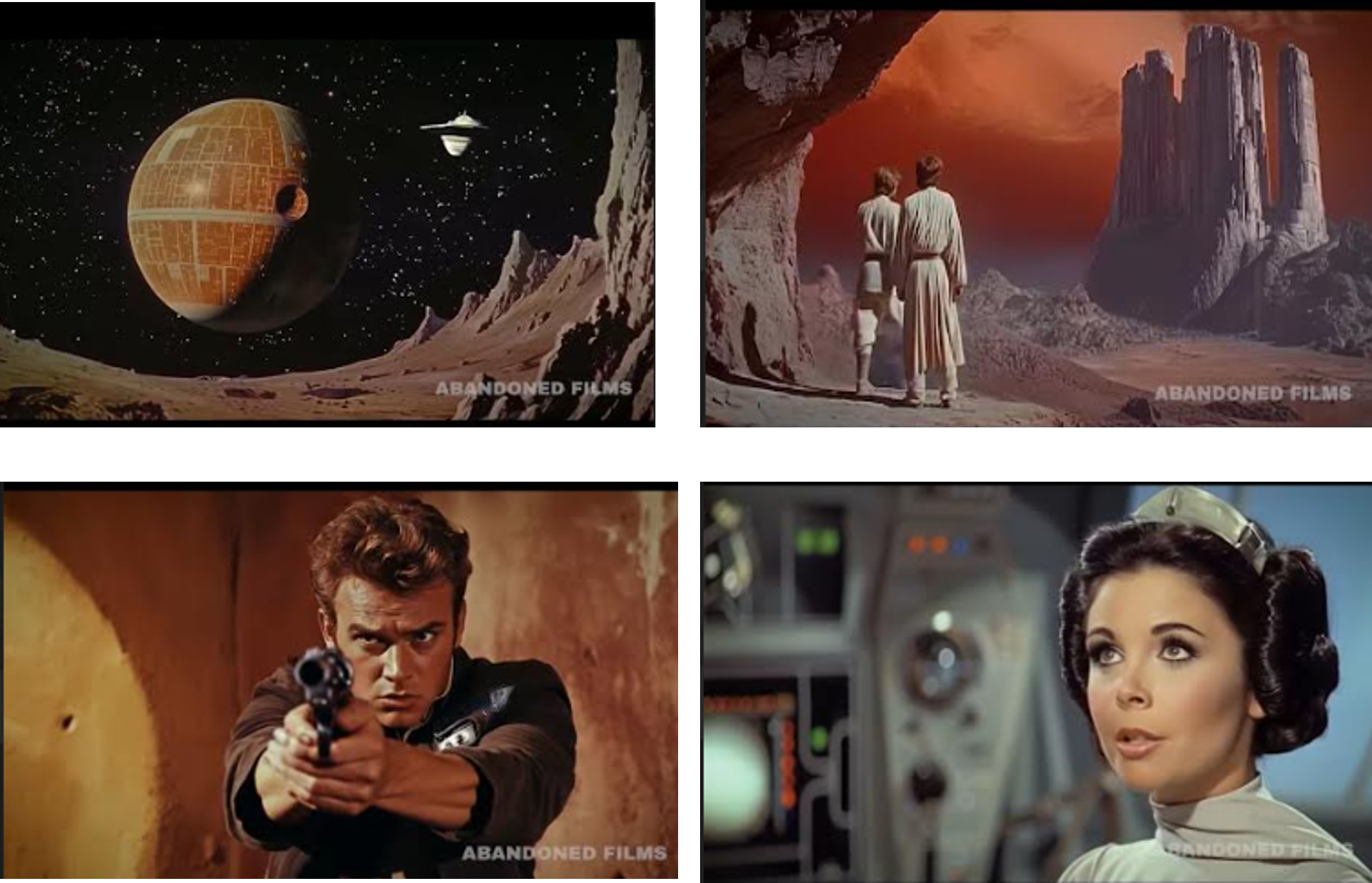
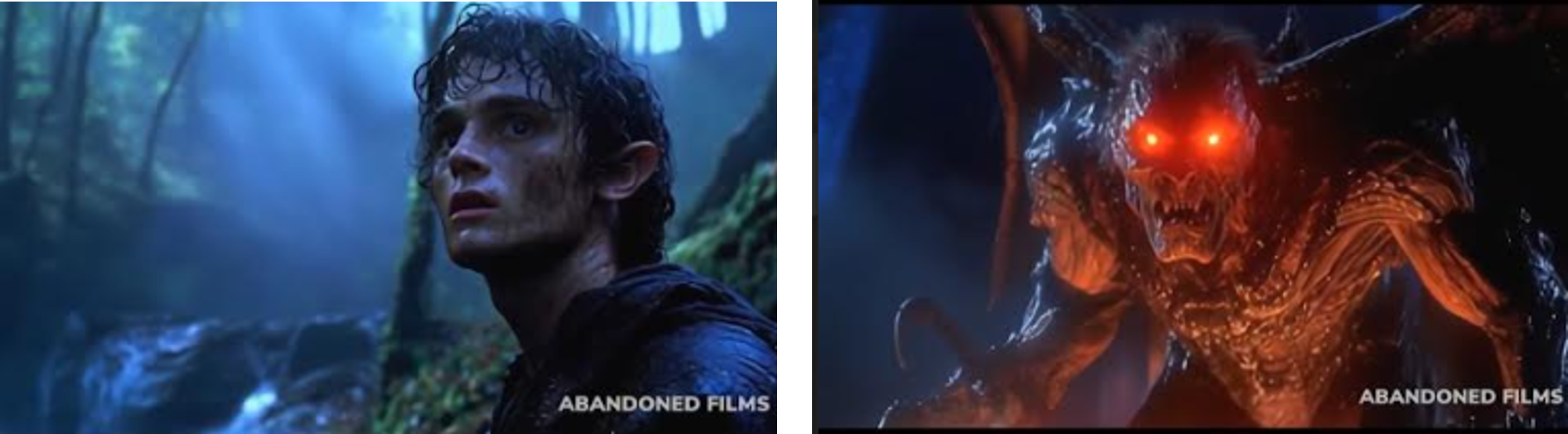
Such AI visuals can be defined through the term “Synthetic Intertextuality” as they are generated by AI tools. Indeed, the visuals placing Star Wars in the 1950s are machine-generated and not authored by humans. AIs also allow for endless intertextuality constantly merging forms, styles and aesthetics into an endless array new visuals that reference or echo older ones. This new form of creativity is also distinctly different from older ones. In the past, intertextuality required creative thinking and artistic skill to merge forms and styles. In the age of AI, however, what is required is prompt-driven creativity where users curate new combinations through prompts.
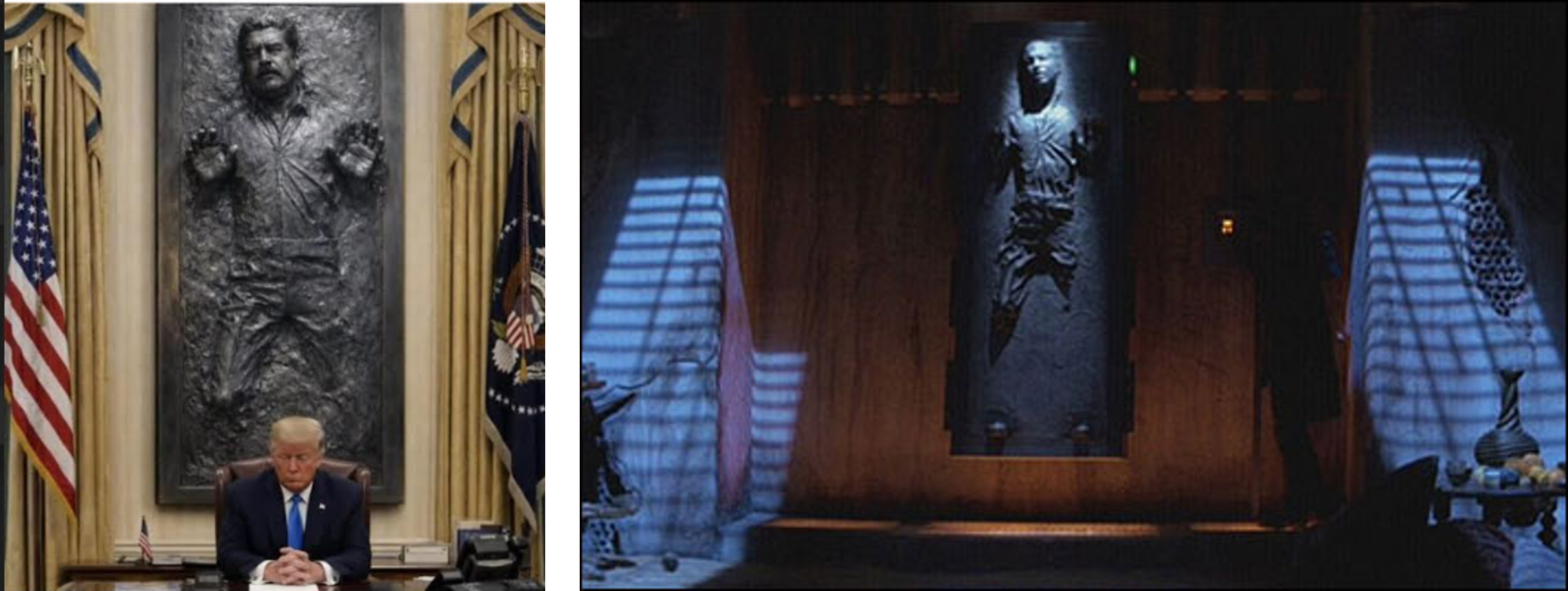
Synthetic Intertextuality is evident in the AI content shared by social media users to comment on political issues. Such is the case with the visual below depicting President Trump sitting in front of a Carbon frozen Nicolas Maduro. The image clearly references the Star Wars films, the Carbon freezing of Han Solo and his placement in the lair of famed Gangster Jabba the Hutt. Yet the image below replaces Solo with Maduro, and Jabba with Trump. The new image gains political meaning through intertextuality or through the reference to Star Wars. The political meaning of the image stems directly from its refence to Star Wars suggesting that Maduro is Trump’s new “favourite decoration” to paraphrase Jabba the Hutt, or that Trump is akin to a Gangster having violated international law to capture Maduro or that Trump’s sense of style is so gauche that he would display Maduro in his Golde plated White House.
These new types of visuals have important ramification for political communication, be it in national or international politics. This is because AI transforms intertextuality from an occasional cultural practice to a dominant communicative logic, a logic that has four characteristics. The first is the simplification of political debates which may increasingly be understood through pop culture analogies with wars understood through Game of Thrones visuals and elections understood through Hunger Games visuals. This simplification is problematic as it entails the promise of easy fixes to wicked problems. So as these AI visuals gain popularity, the more they will promote the allure of easy fixes bound to generate unreal expectations.
The second characteristic is the emotional appeal of Synthetic Intertextuality where AI visuals spread quickly across social media as they evoke a sense of pleasure referencing familiar and beloved pop culture texts. Intertextuality, however, demands new types of literacies such as a comprehensive knowledge of pop culture across media, decades and genres. Without such knowledge visuals may remain beyond comprehension leading to a breakdown in shared symbols through which societies debate events.
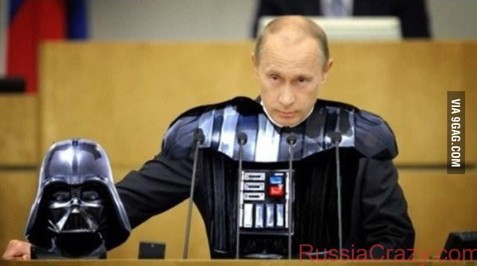
Third, pop culture may lend credibility and likability to politicians through Synthetic Intertextuality. Leaders’ national and global appeal may be shaped not just by policies and actions but by the pop culture references used time and again to depict them. Some leaders may be visually represented as the villainous Darth Vader, others as the heroic Harry Potter while still others as the chaos inducing Joker. These references to pup culture would become part of political brands, and so politics itself may become intertextual. The risk is that villains can become appealing. Darth Putin may elicit the same awe and respect as Darh Vader. This process is already underway as virtue is no longer viewed necessary for attraction in world politics.
Finally, Synthetic Intertextuality can actually drive political polarization with issues and actors understood through the pop culture dichotomies of heroes versus villains and good versus evil. For instance, social groups may increasingly depict one another using AI visuals of gruesome orcs from Lord of the Rings or monsters from Stranger Things. This too can have an emotive impact leading groups to view one another as alien or foreign driving extremism and eroding the middle ground. Synthetic Intertextuality is also increasingly dominant in digital diplomacy; a topic explored in next week’s blog post.


Leave a Reply