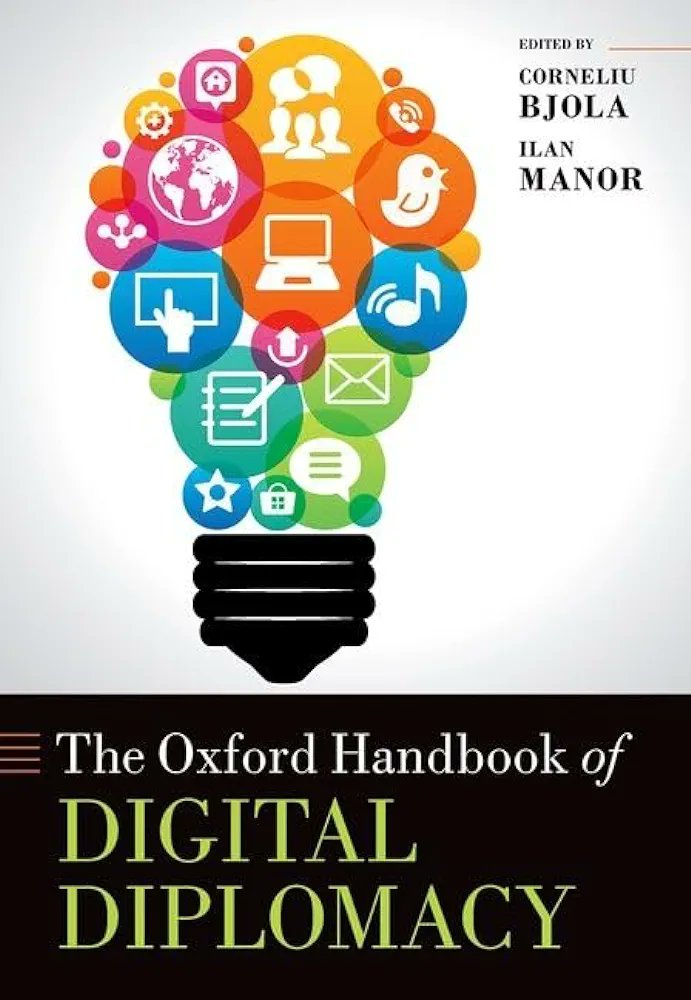
2026 marks a decade since the publication of the first book on digital diplomacy. Since then, the digital diplomacy research corpus has extensively grown and now includes hundreds of books, book chapters, academic essays and journal articles. A review of this entire corpus suggests that the practice of digital diplomacy has been shaped and reshaped over the past decade by five important factors. These factors help to map the process of diplomacy’s digitalization while illuminating how future digital technologies may be leveraged by diplomats.
The first factor to shape MFAs’ attitudes toward digital technologies is the metaphors used to describe these technologies. When Facebook and Twitter/(X) were viewed as new town squares, or spaces where connected publics could discuss issues of shared concern, diplomats were encouraged to “engage” with social media users and to create digital outreach teams. Yet, once social media were associated with the metaphor of “echo chambers” of hate, diplomats were warned of the dangers of feeding potential trolls. Crucially, the media’s framing of digital technologies also shapes diplomats’ use of technology. When social media were framed as the “harbingers of the Arab Spring,” senior officials spoke of the need to converse with global users. Yet, once social media were framed as a societal threat due to disinformation, officials demanded that diplomats find ways to debunk disinformation through strategic communications. Similarly, when the media framed the Metaverse as the next stage in the internet’s evolution, several MFAs were quick to launch embassies on related platforms. However, as the media’s framing of the Metaverse grew more skeptical, MFAs came to view this technology as costly and ineffective.
The second factor that determines how diplomats use digital technologies is the economic logic of these technologies. The economic logic of social media is based on the constant sharing of personal information, which is converted into data that can be analyzed and monetized thanks to sophisticated algorithms. This logic demands that social media users lead public lives while constantly sharing personal updates of their successes and failures, as everything once done in private must be done in public and shared online for public consumption. The second logic of social media is that individuals must command the attention of their peers in what has been dubbed “The Attention Economy”. Studies have shown that these economic logics drove diplomats to enact performances of transparency online including the live tweeting of diplomatic summits and the live streaming of UN Security Council deliberations. Economic logics also account for MFAs’ online invocation of humor, satire, pop culture references, and incivility, which are all used by diplomats to summon the attention of social media users.
The third factor that shapes diplomats’ use of technology is the use of digital technologies by individuals. Once individuals migrated to social media and used it to discuss world events, diplomats also migrated to social media. Once individuals congregated in virtual worlds, diplomats launched virtual embassies. This factor is especially important as it demonstrates that diplomats consistently follow individuals to new online venues, even when that demands that diplomats develop new skills and capabilities. MFAs become experts in the use of social media while also developing internal skillsets to author trending content.
A fourth factor is whole-of-government approaches to technology. The Obama administration’s emphasis on using technology for public engagement impacted the State Department’s migration online. The same was true of the Trudeau administration in Canada that freed diplomats’ of the need to pre-approve content published online. Yet the opposite is also true, as government bans on technology also shape digital diplomacy. Until recently, Chinese diplomats were absent from Twitter/(X), as Western social media platforms are blocked by the Great Firewall. Recognizing that MFAs are but one unit within governments highlights the fact that MFAs are part of national security apparatuses, a position that may also impact their use of digital technologies. For when governments view digital technologies as a national security asset, such as Big Data, diplomats may lose the ability to use such technologies as these fall under the remit of national security agencies.
There are several institutional factors that shape diplomacy’s digitalization including the digital zeal of senior policymakers, a risk prone communicative culture, greater autonomy among diplomats who are encouraged to experiment with new technologies, the extent to which higher echelons view digital technologies as a “fad” and a distraction from “proper” diplomatic work, and the median age of diplomats in a specific MFA.
Yet perhaps the most important institutional factor is risk tolerance. Digital technologies can prove to be highly disruptive in the sense that they may generate unwanted attention and scrutiny. The adoption of social media, for example, was limited in risk-averse MFAs given the fear that tweets and posts may be rejected by digital publics, generating online backlash and negative press coverage. This was also the case with the use of provocative content and derogatory language on social media, which was limited in risk-averse MFAs but widely adopted in risk-prone MFAs to the extent that diplomats began using social media to mock and vilify other states and leaders.
Finally, national leaders can also impact diplomats’ willingness to adopt new technologies. This factor works in diverse ways. If world leaders use social media to comment on crises in real-time, diplomats will migrate to social media to map how crises are evolving. Leaders can also have a Halo Effect that shapes how diplomats view technology. Carl Bildt, Sweden’s foreign minister, attracted mass media attention thanks to his innovative use of blogs and tweets to manage international affairs. His image as a digital innovator shaped perceptions of Sweden as a digital pioneer which, over time, indeed facilitated Sweden’s adoption of new technologies. Leaders can also use digital technologies to brand themselves as King Diplomats and the people who actually shape diplomacy, forcing diplomats to migrate online. This is true of leaders’ use of blogs, websites, social media and even apps. The greater a leader’s digital footprint, the greater the chance that diplomats will follow leaders online to maintain diplomats’ own image as the guardians of international affairs, while securing their remit within governments.
Taken together, these factors have consistently shaped the digitalization of diplomacy. And they are also likely to shape how different MFAs adopt the next wave of digital technologies namely bespoke AI tools, Generative AI tools and AI powered chat-bots. For instance, Risk prone MFAs have already begun to experiment with in-house AI tools. Yet the actual use of AI by these MFAs will be determined by the metaphors used by society to depict AI, the media’s deception of AI, how individuals across the world use AI to learn about the world and government’s view of AI as a risk that must be managed as part of the “AI Arms Race”. As such, we may expect to see the emergence of AI diplomacies, plural, and not a single Ai powered diplomacy. Next week’s blog will discuss three of these possible “AI Diplomacies”.


Leave a Reply