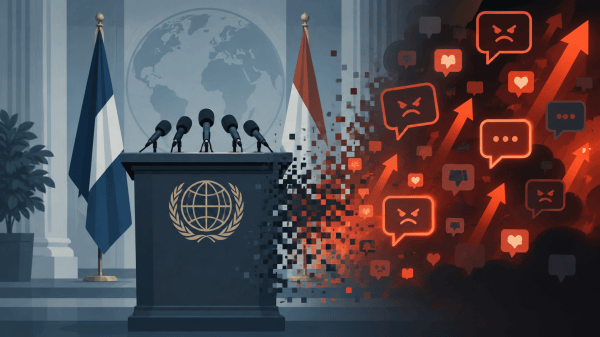
Since the very inception of digital diplomacy, MFAs and diplomats have used social media to gauge public opinion. Digital Diplomacy units and diplomats routinely scroll through social media, identify trending topics and issues and report on these to headquarters. Diplomats also leverage social media to identify public criticism of their states' policies. Online outrage and... Continue Reading →
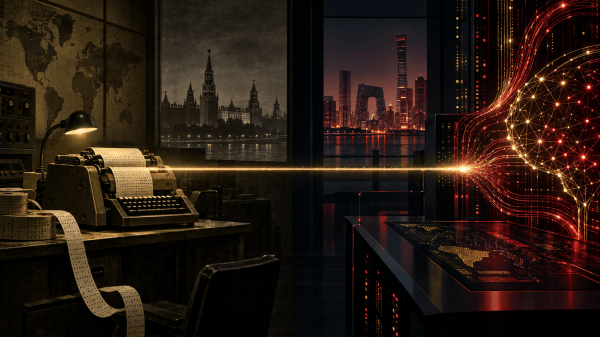
From Moscow to Beijing: The AI Hotline and the Enduring Logic of Crisis Diplomacy
The Cuban Missile Crisis was one of the defining moments of 20th-century diplomacy. It was the closest the world ever came to a direct nuclear confrontation between two states, the closest the world ever peered into the abyss of nuclear annihilation, and the closest the world came to catastrophe due to a breakdown in communications... Continue Reading →
Between Mediatization and Platformization: Diplomacy’s Turn to Incivility
The adoption of social media by ministries of foreign affairs (MFAs) has often been conceptualized through the framework of mediatization: the growing adaptation of diplomatic institutions to media logics, the practices and routines through which news organizations select, frame and narrate information. In digital diplomacy, mediatization has manifested in MFAs’ increasing reliance on social media... Continue Reading →
It’s All NATO’s Fault. How Chatbots Frame the Invasion of Ukraine
The history of digital diplomacy has shown that diplomats follow publics onto new digital platforms. Once individuals began using the internet to learn about world events, MFAs migrated online and set up institutional websites. Once individuals began congregating in virtual worlds, diplomats launched virtual embassies, and once people across the globe began monitoring world events... Continue Reading →