When one explores the digital diplomacy activities of embassies, he is often surprised by the number of social media accounts embassies now maintain. For instance, embassies in Washington DC are often active on Facebook, Twitter, YouTube and Instagram. The rationale for operating several accounts lies in the understanding that audiences use different social media platform... Continue Reading →
Digital Diplomacy in the Age of Political Extremity
Introduction Over the past year, a growing number of scholars, diplomats and journalists have reflected on the growing importance of algorithms to the conduct of diplomacy. Some MFAs now employ algorithms to analyze online discourse in foreign countries in an attempt to anticipate civil unrest. Likewise, algorithms are used to identify relevant audiences for public... Continue Reading →
The 2017 Social Network of Foreign Ministries
Introduction In May of 2014, I published my analysis of the social network of world foreign ministries (MFAs) on twitter. My assumption was that MFAs would actively follow one another online in order to gather relevant information. For instance, by following other ministries an MFA may be able to identify policy changes in certain countries,... Continue Reading →
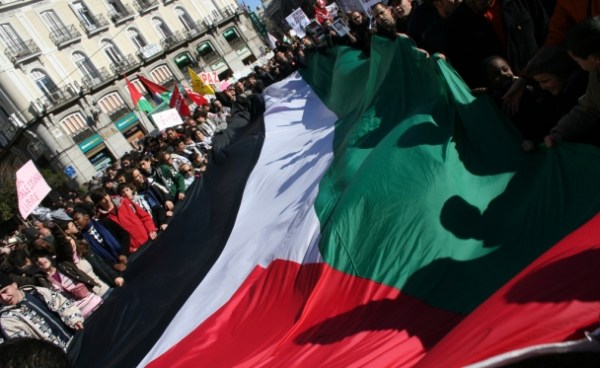
Evaluating Palestine’s Digital Diplomacy Strategy
Note: A version of this post originally appeared on the USC Centre on Public Diplomacy's Blog From a diplomatic perspective, Palestine represents a puzzling case study. On the one hand, Palestine has been recognized as an independent state by the UN General Assembly. On the other hand, it is not a full member state of... Continue Reading →
Three Leaders Three Narratives: Digital Diplomacy at the UN General Assembly
The yearly session of the UN General Assembly may be regarded as the pinnacle of the diplomatic calendar year. Within the space of a few days, global leaders are all offered the opportunity to address the General Assembly and, through global news channels, the world. Additionally, the General Assembly is often the sight of intensive... Continue Reading →
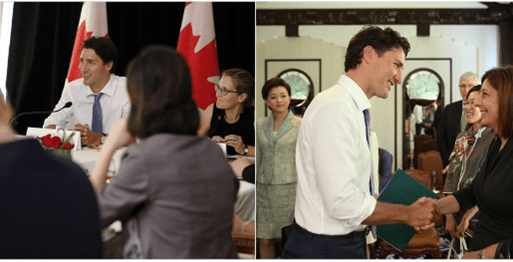
Can Brand Trudeau Help Shape Brand Canada?
In September of 2009, John A. Quelch and Katherine E. Jocz penned an article titled “Can Brand Obama Rescue Brand America?” In this article, the authors postulate that the traits associated with brand Obama may help bolster the international image of America which, following the Bush presidency, was that of a polluting, greedy militaristic empire.... Continue Reading →
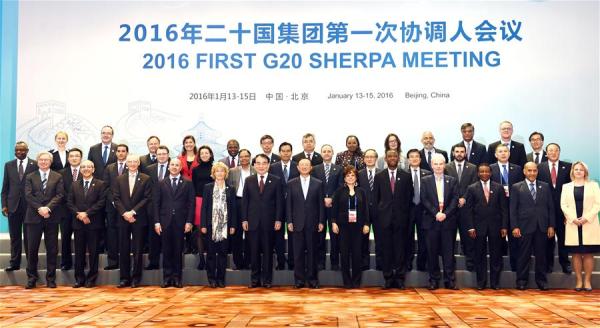
A Missed Opportunity: China’s Use of Digital Diplomacy during the G20 Summit
Earlier this month, China hosted the leaders of the G20 countries for their annual summit. International summits have traditionally played an important role in diplomacy. On the one hand, summits hold ceremonial or dramatic importance as they demonstrate one of diplomacy’s function in international relations- ensuring stability and peace. On the other hand, summits also... Continue Reading →
Gaza’s Selfie: When the national meets the international
For the past 8 years, the Gaza strip has existed as an island entire onto itself. Physically it is cut off from the rest of the world by an Israeli and Egyptian blockade. Politically it is isolated from the West Bank as it is ruled by the Hamas Party and not the PLO. Diplomatically it... Continue Reading →
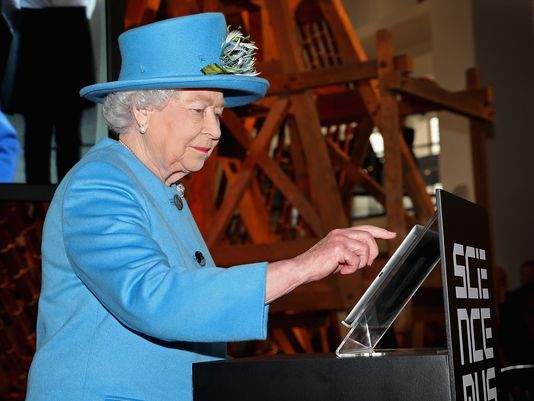
Can Monarchs’ Twitter accounts serve as a public diplomacy medium?
The end of World War 2 saw the decline and ultimate abolition of most European Monarchies. By 1945, the majority of European nations had either exiled their Monarch or transitioned towards various forms of constitutional Monarchies. Yet while the remaining Monarchs may have lost their hard power resources (i.e., their status as sovereigns) they soon... Continue Reading →
Do US candidates for the Presidency attract diplomats on Twitter?
On the 23rd of July, Donald Trump accepted the Republican nomination for the Presidency of the United States. This week Hillary Clinton is likely to be chosen at the Democratic nominee for the Presidency. While it is true that national elections often draw attention from foreign countries and governments, no election is as closely monitored... Continue Reading →