The 2018 Social Network of MFAs

Introduction In May of 2014, I published my analysis of the social network of world foreign ministries (MFAs) on Twitter. My assumption was that MFAs would actively follow one another online in order to gather relevant information. For instance, by following other ministries an MFA may be able to identify policy changes in certain countries,... Continue Reading →

Can Digital Diplomacy Really Start A War?

On August 13th, 2017, Nick Miller published an article in The Sydney Morning Herald titled "Getting it wrong could start a war: Welcome to age of digital diplomacy". The article, which attracted much media and social media attention, proposed that digital diplomacy could actually facilitate war between states. Similar sentiments have been expressed in recent... Continue Reading →

Can #DigitalDiplomacy Be Subtle?

Winston Churchill famously stated that "Diplomacy is the art of telling someone to go to hell in a way that he actually looks forward to the journey". Yet diplomacy is also a subtle art. A diplomat must always decide on a message and the intensity of his message. High intensity messages are meant to be... Continue Reading →

Between National Brands and Leaders’ Brands

Last week British consultancy firm Portland Communications published its yearly Soft Power Index. The Index soon garnered global media attention as France ranked first trouncing America which had to settle for third place. According to Jonathan McClory, author of the Soft Power 30 report, France advanced to the first place thanks, in part, to the... Continue Reading →

The Revolution Has Been Tweeted

On February 2017, the editor of Foreign Policy magazine David Rothkopf published a podcast focusing on digital diplomacy. Titled “The Revolution will be Tweeted”, the podcast attempted to examine the manner in which digital technologies are changing the DNA of diplomacy. To do so, Rothkopf interviews several experts including Alec Ross, former innovation advisor to... Continue Reading →

Digital Diplomacy Conference Summary

To Download the Conference Summary Report click here (Digital Diplomacy Conference Summary_Final) On the 30th of March, 2016, the Israeli Foreign Ministry and the Partner Institute at Tel Aviv University co-hosted Israel’s first Digital Diplomacy conference. Attended by 50 diplomats from 20 countries, alongside scholars from 25 universities, the conference aimed to investigate the impact... Continue Reading →

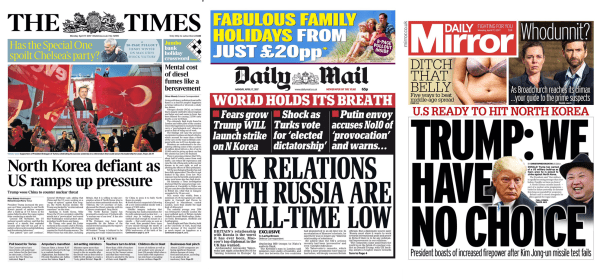
The UK as a Russian Battleground State

Since its emergence nearly a decade ago, digital diplomacy has been accompanied by a need to justify its costs. This is due to the fact that senior diplomats and policy makers often regarded digital diplomacy as a fad rather than a strategic tool for achieving foreign policy goals. This negative view of digital tools led... Continue Reading →

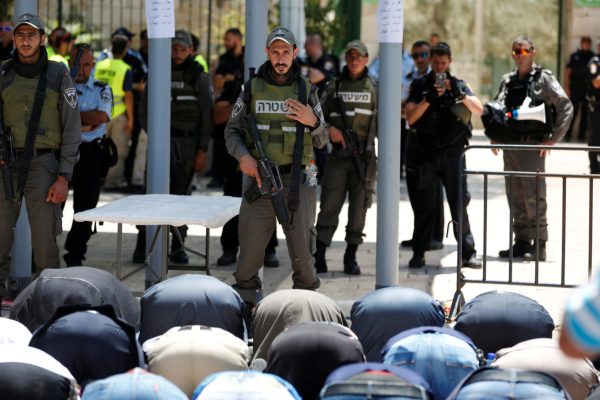
How Embassies Managed the London Terror Attack

The horrid attack that shook London on Wednesday was a painful reminder that terrorism still plagues our world. Within minutes of the attack confusion and panic spread offline and online as people scrambled to make sense of the events unfolding outside Parliament. Initial reports indicated that several terrorists had attacked various targets across the city.... Continue Reading →

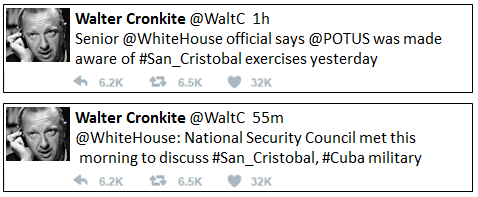
If The Cuban Missile Crisis Were Tweeted

Two weeks ago, Professor David Rothkopf broadcasted a podcast about digital diplomacy. In the podcast he wonders, like many others, how past crises might have played out differently had digital tools been invented at the time. Such is the case with Cuban Missile Crisis of 1962 which often serves as an exemplar of crises management... Continue Reading →

Blog at WordPress.com.

Up ↑